


















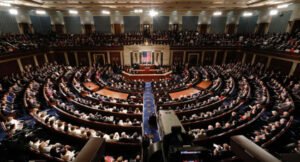
The United States House of Representatives has approved a measure recommending that certain U.S. assistance to Nigeria be withheld, citing concerns over religious freedom and the treatment of Christian communities in parts of the country.
The move follows growing calls by some U.S. lawmakers and advocacy groups for stronger action in response to reports of violence, attacks on religious communities, and broader security challenges affecting civilians in Nigeria.
Supporters of the measure argue that U.S. foreign assistance should be linked to demonstrable progress in protecting human rights, promoting religious freedom, and ensuring accountability for perpetrators of violence. They contend that the Nigerian government must take more effective steps to safeguard vulnerable communities and address insecurity across the country.
Nigerian authorities have consistently stated that they are committed to protecting all citizens regardless of religion or ethnicity. The government has maintained that the country’s security challenges—including terrorism, banditry, and communal conflicts—affect people of different faiths and has pledged to continue efforts to restore peace and prosecute those responsible for criminal acts.
The proposed restriction reflects ongoing debates in Washington over U.S. foreign aid and the role it should play in encouraging governance reforms and human rights protections abroad. Any measure affecting foreign assistance would still need to follow the applicable legislative and budgetary processes before taking effect.
The development has drawn mixed reactions from political observers, religious organizations, and civil society groups, with some welcoming increased international attention to Nigeria’s security situation, while others caution that reducing assistance could affect humanitarian and development programmes that benefit ordinary citizens.
Observers say the issue is likely to remain a subject of discussion between both countries as they continue to cooperate on security, economic development, and regional stability.