






Opposition leaders in the Democratic Republic of Congo (DR Congo) have vowed to resist any attempt by President Félix Tshisekedi to alter the country’s constitution, accusing him of seeking to prolong his stay in office.
The opposition’s reaction follows the enactment of a new law that reportedly makes it easier to organise referendums on constitutional matters.
The development has raised political tensions in the country, particularly as the next presidential election is scheduled for 2028.
Jean-Baptiste Kasekwa, an opposition politician and member of the C64 coalition, accused Tshisekedi of creating opportunities to remain in power beyond his constitutionally permitted two terms.
Speaking to AFP, Kasekwa alleged that the president wanted to remain in office until someone powerful enough forced him out.
Opposition Rejects Third-Term Agenda
Tshisekedi, who assumed office in 2019, is expected under the current constitutional arrangement to complete his second five-year term in 2028.
However, the president previously indicated that he would consider another term if Congolese voters wanted him to continue.
During a news conference in May, Tshisekedi said he had not planned to seek a third term but would accept it if that was the people’s wish.
The opposition has strongly criticised the possibility of changing the constitution to create another presidential term.
The C64 coalition has rejected any constitutional amendment intended to extend presidential tenure, postpone the 2028 elections or facilitate a third term.
Political Tensions Grow Amid Eastern Conflict
The constitutional controversy comes as DR Congo continues to face serious security challenges in its eastern region, where armed groups have been fighting government forces.
The M23 rebellion, which has received backing from Rwanda according to the Congolese government and international assessments, has seized significant territory in the country’s east.
Former President Joseph Kabila has also emerged as a central figure in the opposition to Tshisekedi’s proposed constitutional changes.
Kabila, who ruled DR Congo from 2001 to 2019, has criticised the government’s position and threatened to end what he describes as tyranny, including through force.
He was previously sentenced to death in absentia over allegations of collaborating with the M23 rebellion, accusations he has disputed.
Opposition Rejects National Dialogue Proposal
Tshisekedi’s proposal for a national dialogue has reportedly been rejected by major opposition parties.
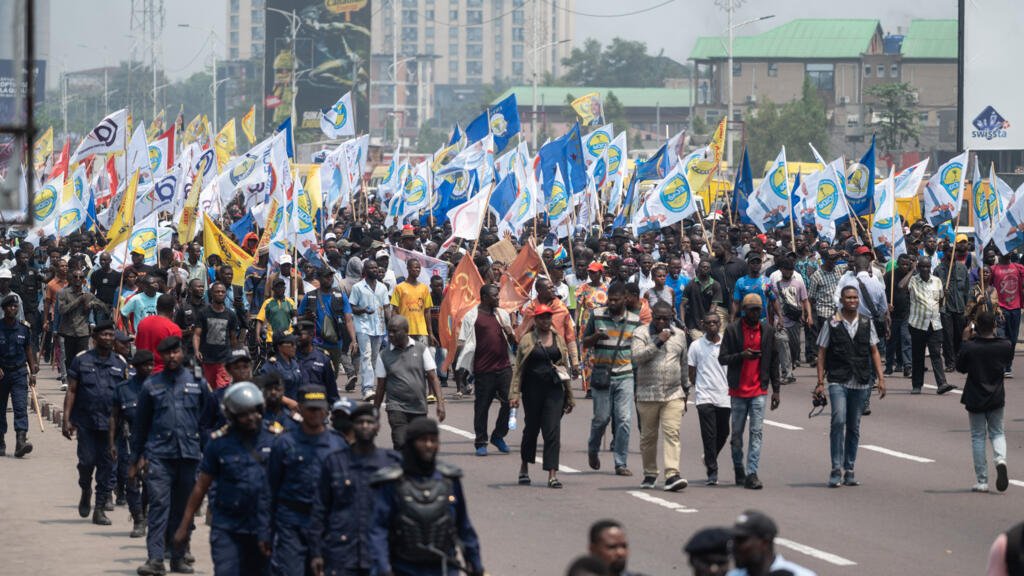
Opposition groups have also organised demonstrations in Kinshasa and other cities to protest what they describe as an attempt to manipulate the constitution.
Meanwhile, political researcher Tresor Kibangula of the Congolese institute Ebuteli warned that the new law could deepen political divisions rather than ease tensions.
He argued that the legislation gives the government additional options for pursuing constitutional changes.
With the 2028 elections approaching, the disagreement over presidential tenure is becoming a major political issue in DR Congo.
The opposition has maintained that the existing constitutional limits must be respected, while concerns continue to grow over the country’s political stability and ongoing conflict in the east.