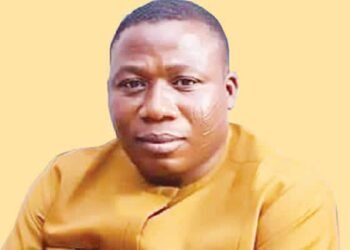



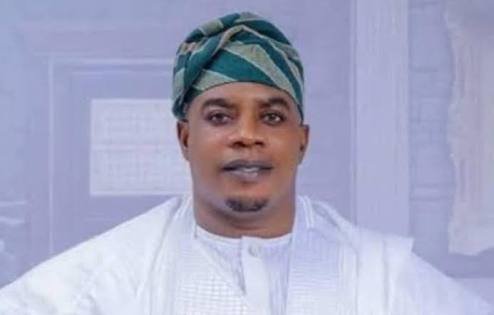
The recent murder of Toba Ajiboye, widely known as Toba Ijaya, has once again cast the spotlight on the troubling pattern of fatal attacks targeting key figures of the National Union of Road Transport Workers (NURTW) in Lagos State. His death has sparked renewed calls for enhanced security measures and reforms to address the ongoing violence tied to transport union politics.

Over the past two decades, numerous influential NURTW leaders have been killed in various attacks across Lagos, with many cases remaining unresolved despite police investigations.
One of the earliest victims was Alhaji Saula Saka, a well-regarded transport union leader who was shot dead in 2008. His murder sent ripples through the transport industry and led to widespread demands for justice, but those responsible were never definitively identified.
In 2014, another significant union leader, Azeez Otun, known as Ashake, was murdered in Lagos. Although several suspects were arrested and charged, prosecutors later cited insufficient evidence for convictions, while investigations into other potential suspects persisted.
The following year saw the death of Olayemi Eniola, better known as Esi Oluwo or Baba Esi, who succumbed to fatal injuries during a violent clash in Oshodi reportedly linked to political activities. His death heightened local tensions and raised further concerns about violence involving transport union members. No court ever determined responsibility for this killing.
In 2015, Kunle Mamowora, commonly called Mammok and former Chief Security Officer to ex-Lagos NURTW chairman Musiliu Akinsanya (MC Oluomo), was gunned down by unknown assailants near his home in Oshodi. His murder further contributed to the mounting list of high-profile deaths among transport union officials.
A particularly notable victim, Rasaq Bello, known as Hamburger, was killed in January 2017 during a violent clash in Lagos’s Shogunle area. His death led to widespread unrest and reignited debates about the role of transport union politics in the state.
Most recently, Toba Ajiboye (Toba Ijaya), Organising Secretary of the Lagos State NURTW Council, died after being shot by unidentified gunmen. This incident has reignited public concern over the safety of transport union leaders and the ongoing cycle of violence within the sector. Police have launched an investigation, but no arrests have been officially announced at the time of reporting.
These recurring attacks have led to calls from security experts, civil society organizations, and political observers for comprehensive reforms within the transport union system. They insist that better law enforcement, accountability, and conflict-resolution methods are crucial to ending the violence that has claimed the lives of several prominent NURTW figures over the years.
As investigations into the latest murder continue, stakeholders emphasize that holding those responsible accountable will be pivotal in restoring public trust and preventing further bloodshed in Lagos’s transport sector.