






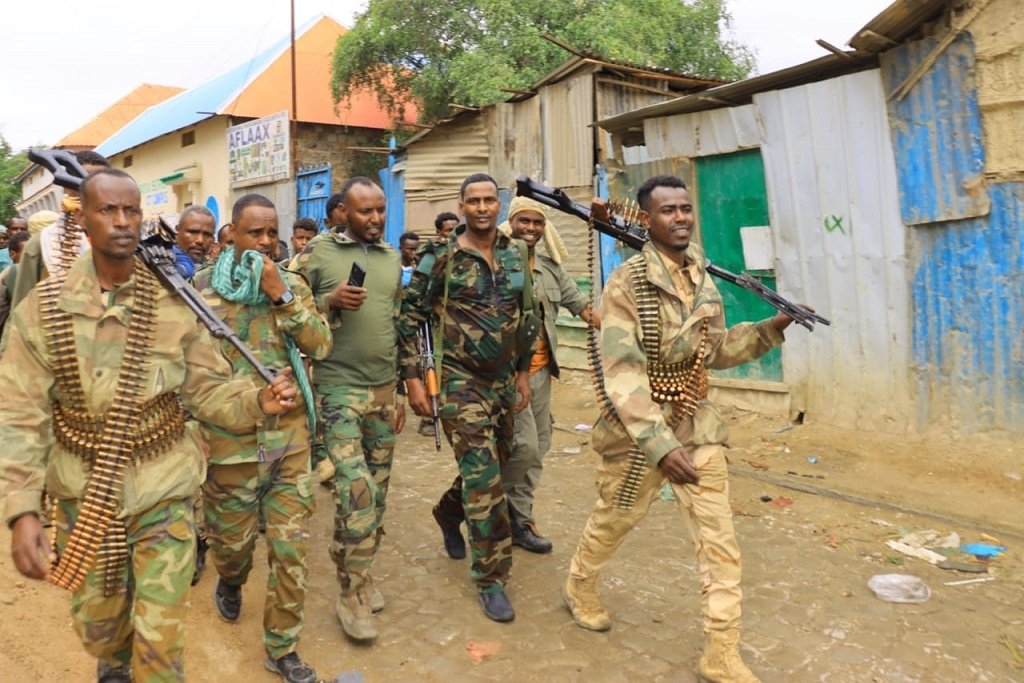
Intense fighting in Baidoa, a crucial city in Somalia, has resulted in the deaths of at least four civilians and injuries to 98 others, as government forces clashed with militias challenging federal authority.
The confrontation began early Monday when armed groups launched attacks on government-held positions in the southwestern city. Somali authorities reported that federal troops eventually repelled the attackers and reestablished control over the affected areas.
The clashes reportedly resulted in the deaths of dozens of combatants, with government officials claiming about 30 attackers were killed, while authorities in South West State reported around 50 fatalities. These figures have not been independently verified.
The violence inflicted significant casualties on civilians. Dr. Abdikafi Omar Mohamud, heading the emergency department at Bay Regional Hospital, confirmed that at least four civilians lost their lives, and 98 others were injured. Among the wounded were 28 women and an elderly man hit by stray bullets.
The surge in violence strained an already resource-limited health system. The hospital had only approximately 40 beds, prompting the setup of an emergency tent to accommodate the influx of injured individuals.
Residents note this was among the most intense clashes experienced in Baidoa since federal forces gained control of the city in March.
Tensions between Somalia’s federal government and South West State leaders underpin these latest incidents. The militias included followers of former South West State President Abdiaziz Hassan Mohamed Laftagareen, who resigned after federal troops took over Baidoa earlier this year.
Laftagareen’s disputed re-election has been rejected by the federal government, leading to rising discord over political power, elections, and proposed constitutional reforms. Security analysts caution that political infighting turning violent could benefit extremist groups like al-Shabab.
The situation was further complicated by simultaneous attacks from al-Shabab fighters on military positions around Baidoa. Somali officials suggest possible coordination between the extremists and militias, though this has yet to be confirmed independently.
Baidoa remains strategically crucial and hosts hundreds of thousands of residents displaced by conflict, drought, and hunger. By Tuesday, normalcy had largely returned to the city, though government forces remained vigilant with enhanced security and patrols.
These recent confrontations have renewed concerns about Somalia’s volatile political climate and the adverse impact of renewed fighting on a civilian population already enduring a severe humanitarian crisis.