






Registration resumes in Mekelle as renewed fighting threatens fragile peace agreement
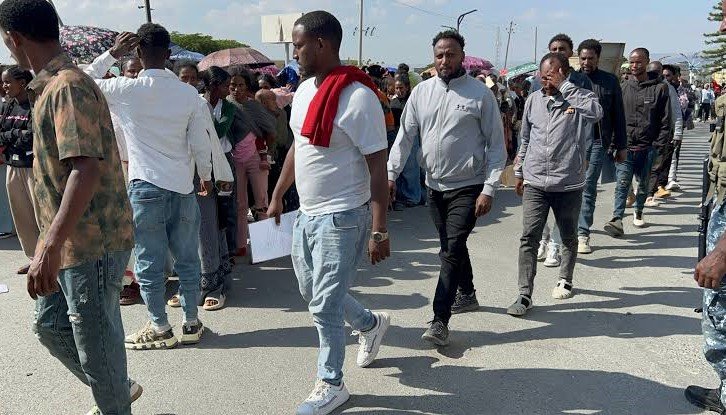
Hundreds of former fighters in Ethiopia’s northern Tigray region have begun registering for a programme designed to help them leave military life and return to civilian communities.
The former combatants have been gathering at the Tigray Martyrs’ Memorial Monument in Mekelle, the regional capital, since Wednesday, October 14, as authorities resume the disarmament, demobilisation and reintegration (DDR) process.
The programme is intended to support former combatants as they surrender their weapons, transition away from armed groups and rebuild their livelihoods.
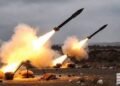
Its resumption comes amid renewed fighting between Ethiopian federal forces and the Tigray People’s Liberation Front (TPLF), which has threatened the peace agreement that ended the region’s devastating 2020–2022 civil war.
Pretoria peace agreement under pressure
The reintegration programme forms part of the Pretoria peace agreement signed in November 2022 to end the war between Ethiopia’s federal government and Tigrayan forces.
Although the agreement halted the main fighting, disagreements and unresolved political tensions continued.
Renewed clashes erupted in September 2026, with government-aligned forces subsequently regaining control of Mekelle and other strategic locations. The latest confrontation has raised fresh concerns about the durability of the peace process.
Ethiopia’s National Rehabilitation Commission has been encouraging fighters to surrender their weapons and participate in the DDR programme.
Ethiopia establishes caretaker administration
The registration drive comes as Prime Minister Abiy Ahmed’s government establishes a temporary administration for Tigray.
Announced on Friday, October 16, the six-month caretaker administration is expected to restore public services, rebuild damaged infrastructure, assist displaced residents and prepare the region for elections.
The federal government says the arrangement is intended to restore stability and establish conditions for a return to civilian administration.
However, the new administration faces significant challenges, including renewed insecurity, displacement and the task of rebuilding public confidence after years of conflict.
Challenges facing former combatants
Returning to civilian life can be difficult for former fighters who have spent years in armed groups and whose communities have been affected by conflict.
Successful reintegration requires more than disarmament. Former combatants may also need vocational training, employment opportunities, education, psychosocial support and assistance rebuilding family and community relationships.
The programme’s long-term effectiveness will depend on whether those leaving armed groups can access practical support and live safely without being drawn back into hostilities.
Peace prospects remain uncertain
The renewed conflict has raised concerns about further instability in Tigray and the wider Horn of Africa. Relations between Ethiopia and neighbouring Eritrea have also deteriorated amid competing accusations over involvement in the conflict.
While the registration of former fighters offers a possible route away from armed confrontation, it does not by itself guarantee a lasting settlement.
The success of the reintegration initiative will depend on sustained security, implementation of the Pretoria agreement and meaningful efforts to address the political disputes that remain unresolved.
For Tigray’s residents, the immediate challenge is to turn the return of former fighters to civilian life into progress towards lasting peace.