


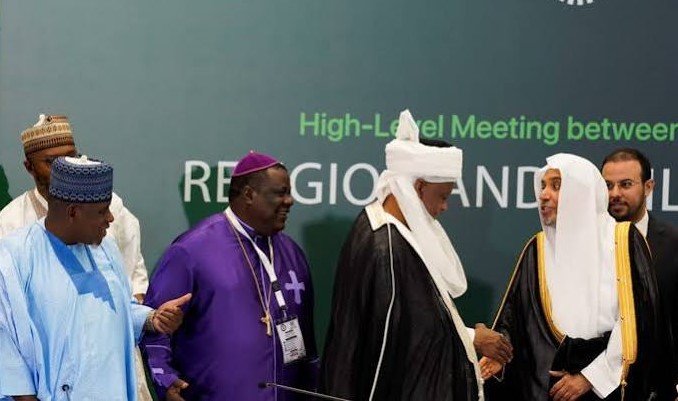
Religious leaders have an important role to play in promoting peaceful elections and encouraging Nigerians to reject violence, corruption and other forms of unlawful conduct.
As concerns often arise around elections, particularly over possible violence and other challenges, the focus should remain on finding ways to protect peace and strengthen the electoral process.
First and foremost, Nigeria must remain united and peaceful. This makes the role of religious leaders particularly important because of their strong influence within their communities.

Pastors and imams regularly speak to large numbers of people through sermons, religious programmes and other gatherings. Their messages can influence how followers respond to sensitive national issues.
Religious leaders can therefore encourage their followers to respect the electoral process, avoid violence, accept election results through lawful channels and promote peaceful coexistence.
Religious Leaders and the Fight Against Corruption
The responsibility of religious leaders, however, goes beyond promoting peaceful elections.
They also have a role to play in encouraging integrity and accountability, particularly when they encounter questionable conduct among members of their congregations.
As the EFCC Chairman noted, religious leaders should be able to recognise and address concerns when they come across them. However, identifying suspicious behaviour is not the same as establishing that a criminal offence has been committed.
For instance, a pastor or imam may know that a member of their congregation works as a public servant or holds a particular position. They may also have some knowledge of the person’s legitimate income.
If that individual suddenly begins displaying wealth that appears difficult to reconcile with their known income, questions may naturally arise.
Because of their close relationship with members, religious leaders may notice such changes more readily than others.
However, suspicion alone does not establish guilt. Proper investigation and evidence are necessary to determine whether an offence has actually occurred.
Corruption Is a Shared Responsibility
The discussion about corruption should therefore not focus exclusively on politicians.
Accountability must also be considered within communities, religious institutions, businesses and other areas of society.
It is important to demand accountability from political leaders and public officials. At the same time, Nigerians must examine their own responsibilities and conduct.
Religious leaders can contribute by teaching their followers about integrity, accountability, lawful conduct and the consequences of corruption.
They can also use their influence to discourage members from celebrating unexplained wealth or treating corruption as acceptable behaviour.
Building a Responsible Society
Ultimately, the goal should be to build a society in which everyone understands their responsibility to protect the country and uphold the law.
Politicians, public servants, businesspeople, religious leaders and ordinary citizens all have roles to play in promoting peace, accountability and responsible citizenship.
The fight against corruption and the protection of democracy cannot be left to government agencies alone. It requires the participation of society as a whole.
With responsible leadership, civic education and stronger community engagement, religious institutions can make a meaningful contribution to peaceful elections and the broader fight against corruption.