






A worsening wave of violence in southern Ethiopia has reportedly forced approximately 700,000 people to abandon their homes, raising fears of a major humanitarian emergency across communities near the country’s borders with Kenya and Somalia.
The British humanitarian organisation Islamic Relief disclosed the figures on Thursday, warning that escalating clashes between members of the Oromo and Ethiopian Somali communities have destroyed homes, disrupted essential services and forced thousands of families to seek safety elsewhere.
According to the organisation, the violence started in late October following disagreements over control of the southern border town of Moyale.
What began as a local dispute has reportedly developed into a wider confrontation, with armed clashes involving heavy weapons spreading as far as 300 kilometres from the town.
Kedir Musema Hameza, head of Islamic Relief’s Ethiopia programme, described the situation as a volatile conflict involving competing claims over land and economic resources.
He said tensions between the communities were creating serious security challenges for residents living across the affected border areas.
Homes and Businesses Destroyed as Essential Services Collapse
Islamic Relief reported extensive destruction of residential buildings, commercial properties and petrol stations in communities affected by the fighting.
The violence has also disrupted vital public services, including healthcare, clean water supplies and sanitation facilities.
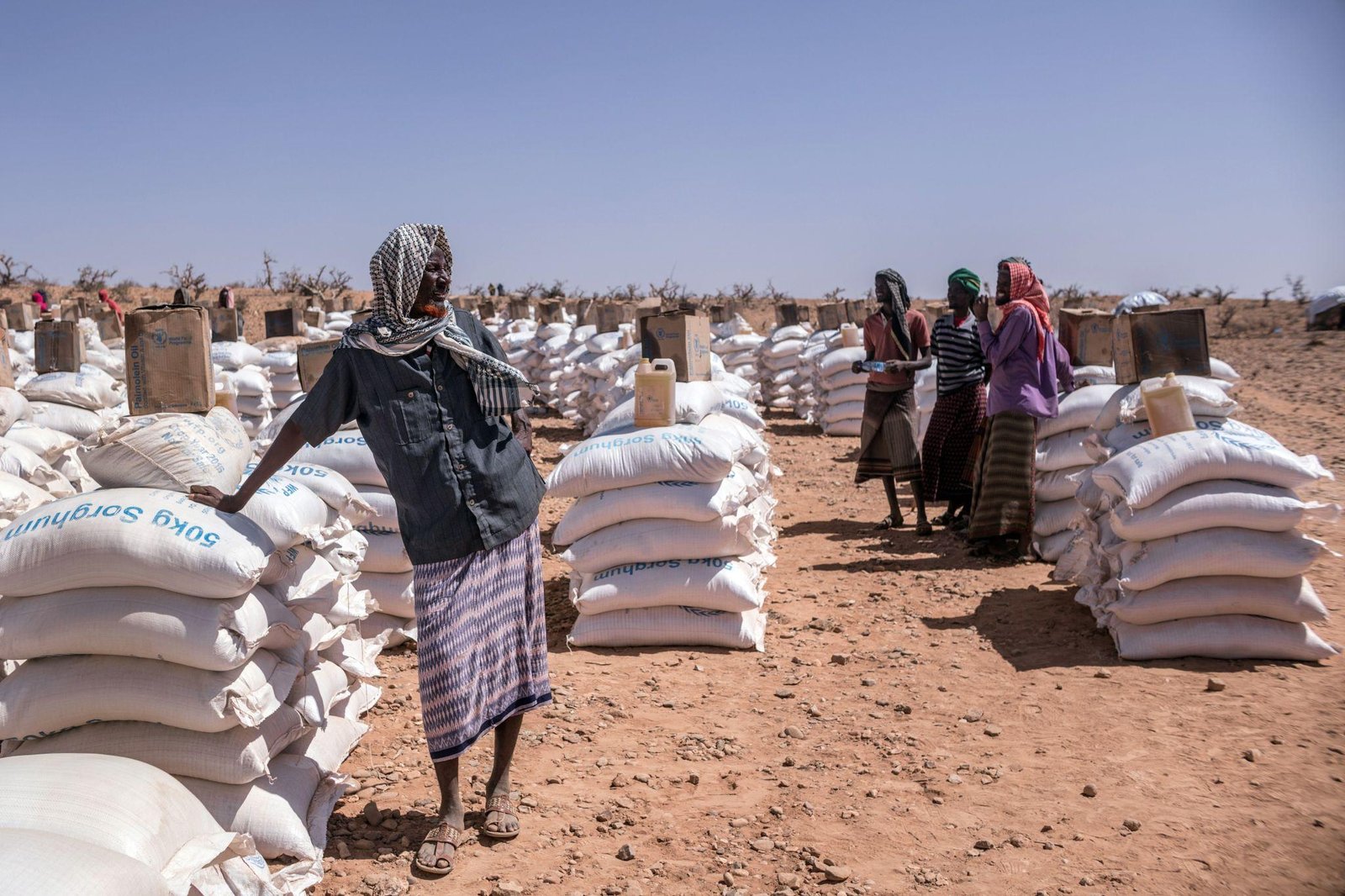
Humanitarian workers are increasingly concerned about the conditions facing displaced families, particularly women, children and vulnerable residents who have been forced to leave their communities.
The organisation warned that reaching some affected locations has become extremely difficult because of insecurity, complicating efforts to assess the damage and deliver emergency assistance.
Thousands Cross Into Kenya
The humanitarian consequences are also being felt beyond Ethiopia.
Islamic Relief estimates that approximately 50,000 people have crossed into neighbouring Kenya in search of protection.
Their arrival is placing additional pressure on local infrastructure, public services and communities already struggling to accommodate displaced populations.
Aid organisations fear that the situation could deteriorate further if fighting continues and humanitarian access remains restricted.
Ethiopian Government Yet To Comment
The administration of Prime Minister Abiy Ahmed has not publicly commented on the latest violence, according to the report.
The conflict comes amid longstanding tensions surrounding regional boundaries and competing territorial claims in Ethiopia.
The country’s 1995 Constitution established an ethnic-based federal structure that divided the nation into regional states. Disagreements over administrative boundaries, land ownership and political authority have repeatedly contributed to tensions in different parts of the country.
Ethiopia Faces Multiple Security Challenges
The latest violence adds to an already complicated security situation in Ethiopia.
Only weeks earlier, fresh fighting reportedly erupted in the northern Tigray region following confrontations involving government forces and rebel groups.
Meanwhile, prolonged insurgencies in the Amhara and Oromia regions have also contributed to widespread displacement and insecurity.
The growing number of conflicts has created enormous humanitarian challenges for a country already dealing with political tensions and regional instability.
With hundreds of thousands of people reportedly displaced in the south, humanitarian organisations are warning that urgent attention is needed to prevent further suffering and ensure that affected communities receive essential assistance.
The situation around Moyale remains a serious concern for Ethiopia and neighbouring countries, particularly Kenya, as the consequences of the violence continue to spread across