







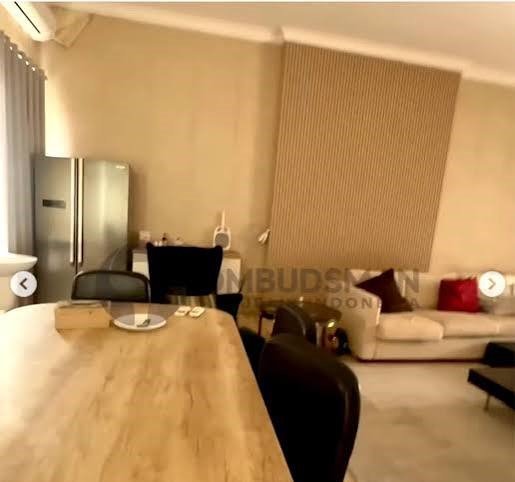
Indonesia has suspended five senior officials at a prison near Jakarta after an unannounced inspection uncovered what the country’s Ombudsman described as suspected special accommodation for inmates, including residential buildings with hotel-like facilities.
The inspection took place on September 23 at the Class IIA Cibinong Prison in Bogor, West Java. The Ombudsman said its investigators found more than 10 residential units outside the main prison blocks, including buildings resembling houses, homestays and villas.
The discovery prompted the Ministry of Immigration and Corrections to suspend five structural officials on September 26 while an internal investigation is conducted.
The officials include the prison warden, head of prison security, head of inmate guidance and education, head of security and order, and head of general affairs.
Inspector-General Rudi Setiawan said the officials were suspended because they were considered potentially responsible for the circumstances uncovered during the Ombudsman’s inspection.
Ombudsman raises questions over inmate accommodation
The Ombudsman said its team initially attempted to inspect the prison’s inmate blocks but was refused entry despite presenting an official assignment letter.
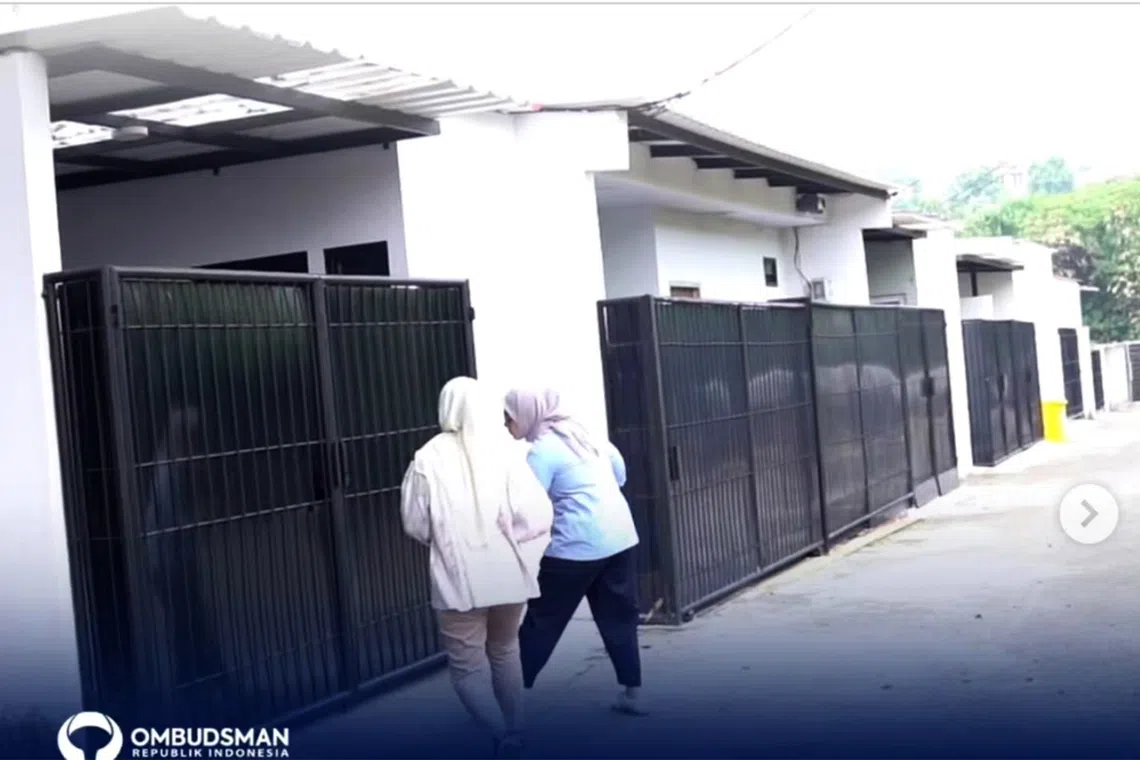
After leaving the reception area, investigators noticed a fenced-off cluster of buildings roughly 100 metres away and went to examine the area.
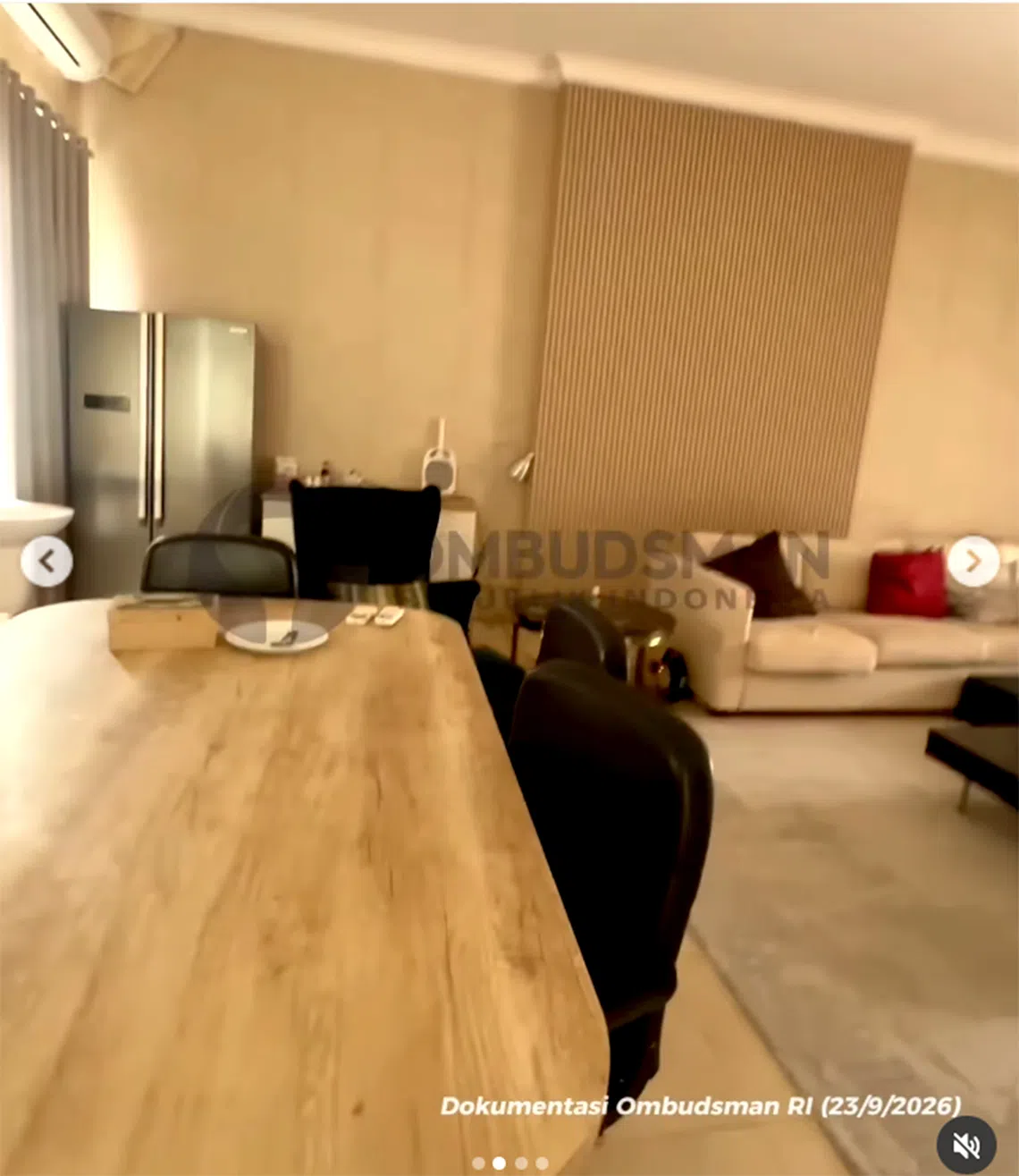
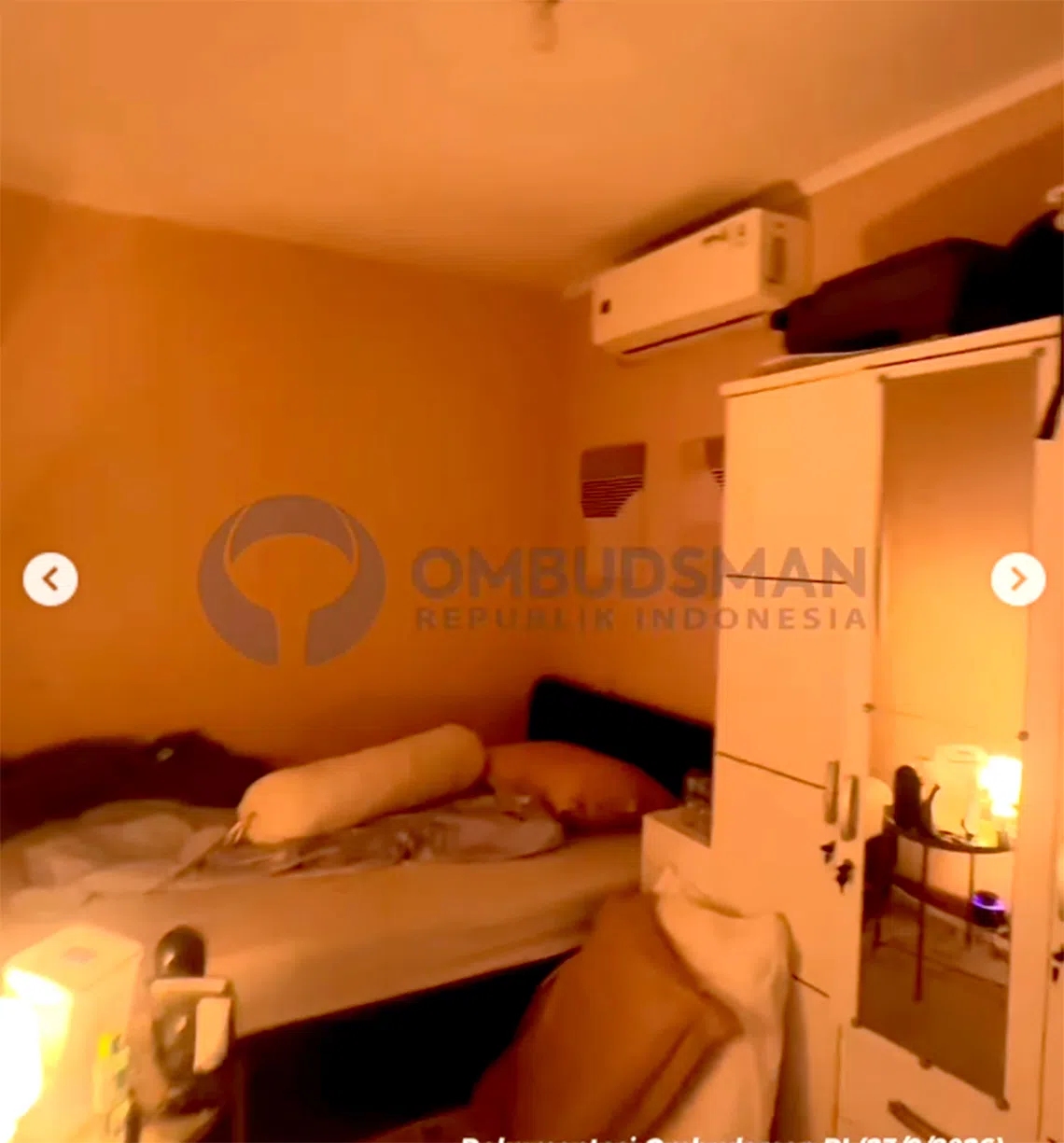
Inside, they reportedly found furnished residential units containing items such as sofas, refrigerators, televisions and dining tables. Investigators also encountered an occupant who identified himself as an inmate.
The Ombudsman subsequently raised concerns that some prisoners may have been receiving accommodation and privileges unavailable to other inmates.
Officials at the prison reportedly described the buildings as “assimilation houses”, facilities associated with programmes designed to help prisoners reintegrate into society.
The Ombudsman, however, said the occupancy arrangements appeared to differ between the buildings, with some reportedly housing several inmates and others apparently occupied by a single person.
It also reported that one inmate acknowledged paying money to stay in one of the residences. The Ombudsman said it was investigating who received the money and how the arrangement operated.
Luxury vehicles and other facilities
Investigators also reported seeing luxury vehicles in the area, including Toyota Alphard and Toyota Fortuner models.
A gym and a structure initially identified as a possible golf simulator were also among the facilities that attracted attention.
The Ombudsman further raised concerns about a possible alternative access route around the prison that could potentially allow movement without using the designated entrance.
The findings prompted calls for the authorities to establish who had been using the facilities and whether any prison rules or laws had been violated.
Indonesia Corruption Watch has also urged the country’s Corruption Eradication Commission to investigate whether money or abuse of authority was involved.
Authorities offer alternative explanation
The authorities have subsequently provided additional information about some of the Ombudsman’s findings.
At a parliamentary hearing on September 28, Corrections Director-General Mashudi said the 16 buildings in question were officially designated as staff residences or mess facilities.
However, he acknowledged that only three of the 16 units were recorded in the government’s state-asset system, while the status of the remaining 13 was still being examined.
He also disputed some interpretations of the inspection findings. According to the preliminary government investigation, some furniture and household equipment belonged to prison officials rather than inmates, while the area described as a golf simulator was identified as a place being used to make lockers.
The authorities also said investigators did not find the alleged alternative route described as a “rat route” during their inspection.
The conflicting accounts mean that the precise use of the residential complex and whether inmates were improperly housed there remain matters under investigation.
Five officials remain suspended
The suspension of the five officials is intended to facilitate the internal investigation.
Authorities are examining the Ombudsman’s findings as well as the condition and use of the buildings, prison property and other facilities.
The controversy has revived memories of the 2018 Sukamiskin prison scandal, when Indonesia’s anti-corruption authorities uncovered allegations that prisoners had paid bribes for upgraded cells and other privileges.
For now, Indonesian authorities have not publicly established that the Cibinong residences were operated as a paid luxury accommodation scheme.
The investigation will determine who occupied the buildings, how they were administered, whether prisoners were given unauthorized privileges and whether any money changed hands improperly.
The Straitstimes