






An international law enforcement operation involving the United States, the United Kingdom, Nigeria, Ghana and major technology companies has disrupted online scam networks operating across West Africa, resulting in 28 arrests and the removal of more than 3.7 million accounts, pages and groups.
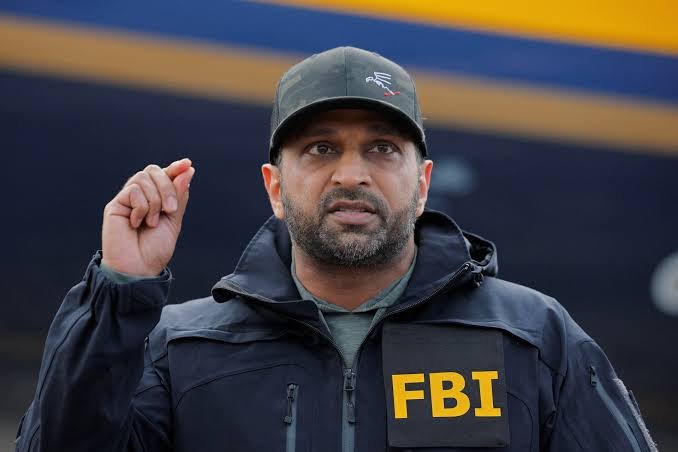
The operation, known as “Joint Disruption Week,” was hosted in London by the United Kingdom’s National Crime Agency (NCA), in partnership with the US Department of Justice (DOJ), the Federal Bureau of Investigation (FBI) and other international agencies.
According to the US Department of Justice, the coordinated exercise targeted criminal networks operating in Nigeria, Ghana and other African countries that allegedly used digital platforms to defraud victims around the world.
117 Human-Trafficking Victims Identified in Ghana
One of the major outcomes was the identification of 117 people described by authorities as victims of human trafficking at a suspected scam compound in Sasaabi, an area near Accra, Ghana.
The victims were awaiting repatriation to Nigeria, according to the DOJ announcement.
Ghanaian authorities arrested 19 people during the operation and seized 303 electronic devices. Investigators also identified 89 people who had allegedly lost approximately $8.3 million to online scams.
In Nigeria, authorities arrested nine people and seized 53 electronic devices, bringing the total number of arrests to 28 and devices seized to 356 across the two countries.
The investigations involved Ghana’s Cyber Security Authority and Police Service, Nigeria’s law enforcement agencies, the FBI, the NCA and the Economic and Financial Crimes Commission, among other partners.
Meta Removes More Than 3.7 Million Accounts
Technology companies played a significant role by identifying suspicious online activity, sharing intelligence and taking action against accounts and infrastructure allegedly used for fraud.
Meta reported removing more than 3.7 million accounts, pages and groups from Facebook and Instagram. Many reportedly targeted users in the United States and the United Kingdom through profiles impersonating American and British individuals.
The companies also shared information on more than 30 suspected scam centres with law enforcement agencies, helping investigators identify targets for further action.
Other participating companies included Google, Microsoft, Coinbase, Binance, Adobe, OpenAI and several firms specialising in cybersecurity and blockchain analysis.
More Than $11 Million in Potentially Freezable Funds Identified
The operation also resulted in the identification of more than $11 million in funds that private-sector partners said could potentially be frozen.
The DOJ did not state that the entire amount had already been frozen or seized.
Coinbase separately reported that it identified more than 65 active scam victims and helped prevent more than $415,000 in potential losses.
Authorities said the networks were linked to several types of online fraud, including cryptocurrency investment scams, romance scams, fake job offers, impersonation of law enforcement officials and extortion schemes involving fraudulent arrest threats.
Authorities Target Criminal Networks Behind Online Fraud
Officials said the operation was designed to disrupt criminal organisations and the digital infrastructure they rely on, rather than simply remove individual fraudulent accounts.
The identification of trafficking victims also highlighted the human cost of some scam operations. Authorities said people had been trafficked and forced to work in scam compounds against their will.
The international partners intend to continue sharing intelligence and coordinating enforcement actions against transnational fraud networks.
The operation underscores the growing need for cooperation between law enforcement agencies, technology companies and financial institutions to protect people from online scams and identify those exploited by criminal organisations.