






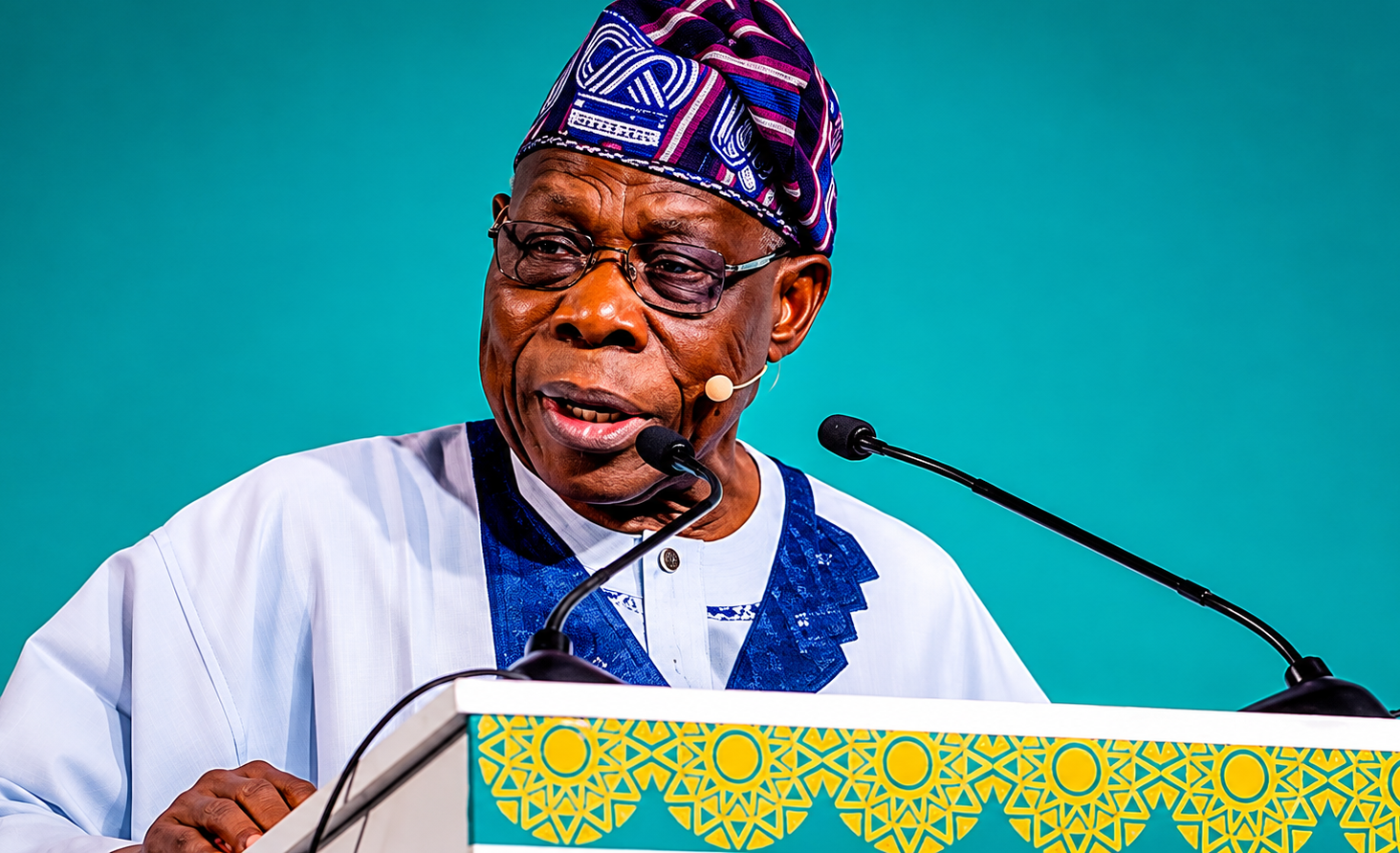
Former Nigerian President Olusegun Obasanjo has accused French cement company Lafarge of putting obstacles in Aliko Dangote’s way during his efforts to succeed in cement production.
Obasanjo made the remarks on Wednesday at the groundbreaking ceremony for the Dangote East Africa Petroleum Refinery and Petrochemicals Special Economic Zone in Lamu County, Kenya.
According to reports of his speech, Obasanjo alleged that Lafarge did not want Dangote to succeed in the cement industry and worked against his expansion plans.
“The people who really didn’t want Aliko to succeed in cement production [were from] a French company called Lafarge, and they put every obstacle in Aliko’s way,” Obasanjo said.
Dangote Expanded Across Africa
Obasanjo said Dangote overcame the difficulties and expanded his cement production beyond Nigeria, including into Senegal.
Dangote has developed a substantial presence in Africa’s cement industry through investments in manufacturing and distribution. His business interests have also expanded into other sectors, including fertiliser, energy and petroleum refining.
Obasanjo’s remarks highlighted the challenges that African entrepreneurs can face while competing with established international businesses.
However, the allegation about Lafarge’s conduct remains Obasanjo’s account of the competition and should not be treated as an independently established finding.
Remarks Made at Kenya Refinery Launch
The former president spoke as African leaders and business representatives gathered in Lamu for the groundbreaking ceremony of Dangote’s planned East African refinery.
The proposed project has an estimated investment of $16 billion and a planned processing capacity of 700,000 barrels of crude oil per day.
The refinery is intended to supply petroleum products to Kenya and other regional markets when completed. The project is also expected to support industrial development, trade and employment.
The Lamu investment represents an expansion of Dangote’s industrial interests beyond Nigeria and reflects wider efforts to increase Africa’s domestic processing capacity.