






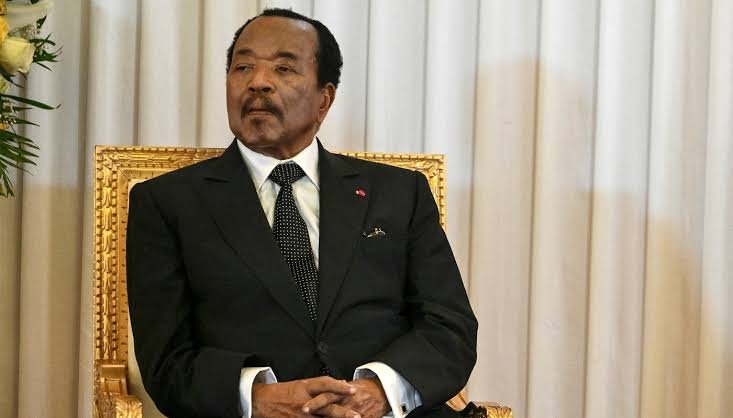
President Paul Biya has fixed February 7, 2027, for parliamentary and municipal elections following two postponements amid continuing political tensions and opposition concerns.
Cameroonian President Paul Biya has announced February 7, 2027, as the date for the country’s long-delayed legislative and municipal elections.
The announcement was made through a presidential decree read on public radio on Monday, November 9, bringing an end to months of uncertainty surrounding the polls.
The elections will be the first major national legislative and local government contests since Biya secured another presidential term in the disputed October 2025 election.
Biya, 93, has governed Cameroon since 1982 and is widely regarded as the world’s oldest serving head of state.
Two postponements delayed elections
The legislative and municipal elections had been postponed twice, resulting in extensions of the mandates of sitting lawmakers and local councillors.
Under the revised timetable, the mandates of members of the National Assembly were extended until December 20, 2026, while municipal councillors are expected to remain in office until February 28, 2027.
The February 7, 2027, election date will allow voters to choose new members of parliament and municipal councillors.
Political tensions remain high
The announcement comes amid a tense political atmosphere following Biya’s re-election in October 2025.
Opposition parties rejected the presidential election outcome, while protests that followed were met with a security crackdown by the authorities.
The opposition has continued to raise concerns about political repression and the government’s handling of dissent.
Last month, the authorities suspended the Cameroon National Salvation Front (FSNC), the party of defeated presidential candidate Issa Tchiroma Bakary.
Bakary, who went into exile in The Gambia, had declared himself the winner of the presidential election and urged supporters to defend what he described as his victory.
Questions over succession and leadership
Cameroon is also facing uncertainty surrounding its political succession arrangements.
A constitutional amendment adopted in April 2026 reintroduced the position of vice president, who would assume the presidency for the remainder of the term if the incumbent president dies or becomes incapacitated.
However, the country is still awaiting the appointment of a vice president and a government reshuffle previously announced by the authorities.
Biya’s frequent trips abroad, including a stay of more than two months in Geneva, Switzerland, have also fuelled public and opposition debate about his health and capacity to govern.
The February 2027 elections will therefore take place against a backdrop of political uncertainty, opposition-government tensions and questions about the country’s future leadership.