


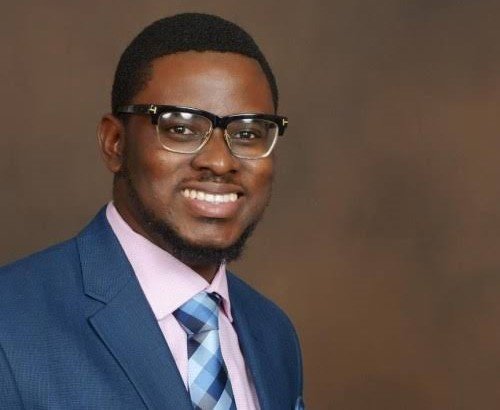
Damilola, who spoke about the project in an interview with Damola Adedigba, said he and his brother, Joshua, first discussed revisiting the classic film about four years ago.
According to him, the brothers wanted to introduce some of the older Mount Zion Films stories to a younger generation by retelling them in a contemporary setting.
How the remake idea started
Damilola explained that he and Joshua approached their father with the idea of remaking Agbara Nla after imagining how some of its memorable scenes could be presented for today’s audience.

However, Mike Bamiloye did not approve the project at the time.
“He told us it was not yet time,” Damilola recalled.
The brothers respected their father’s decision and temporarily abandoned the idea.
Things changed the following year when Damilola discussed the possibility with his friend, Chris, a producer who had previously worked on film remakes.
Chris became interested in the project and encouraged Damilola to pursue it again.
According to Damilola, the team prayed about the idea and held further discussions before eventually approaching Mike Bamiloye once more.
This time, the response was different.
The veteran filmmaker gave them his approval and encouraged them to proceed with the production.
‘Agbara Nla: The Return’ becomes reality
Damilola said the eventual production of Agbara Nla: The Return felt like a process that unfolded at the right moment.
The film was completed after approximately 20 to 21 days of shooting.
Looking back, Damilola believes the delay helped the project arrive at a more appropriate time.
He explained that if they had proceeded with the remake four years earlier, the film might not have had the same impact.
For him, the earlier rejection was not necessarily the end of the idea but an indication that the project needed to wait.
What should fans expect from the remake?
For viewers who watched the original Agbara Nla in 1993, Damilola said the new production retains the complete storyline.
He explained that the major characters and the story from beginning to end have been carried into the new film.
However, the filmmakers have adapted the presentation for today’s audience.
According to him, the original movie reflected the generation, age and circumstances of the period in which it was produced.
The new production, while retaining the story, has been designed to connect with the present generation.