


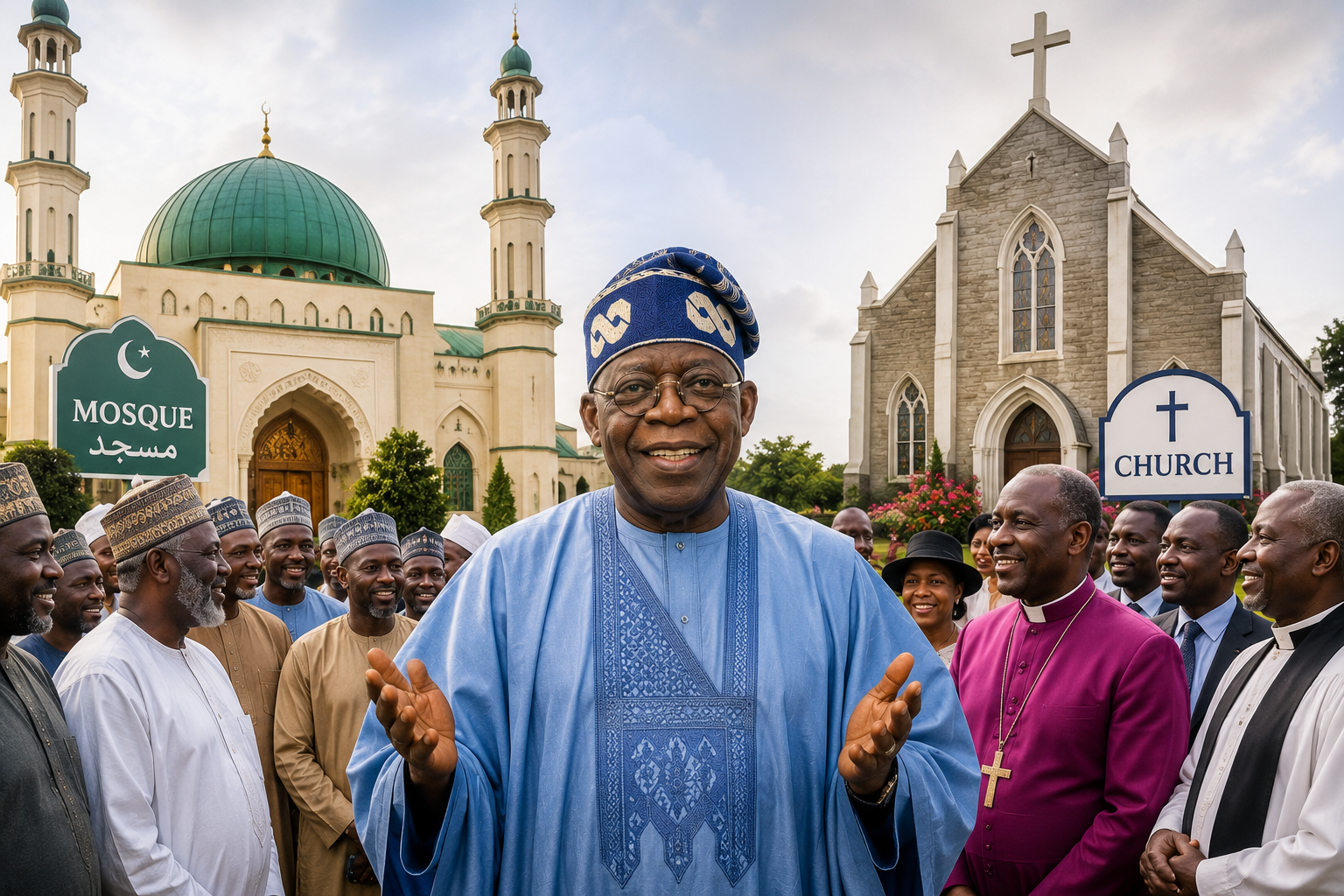
A reported ₦8.05 billion budgetary allocation by the Federal Government for the construction and renovation of mosques and churches has triggered widespread public debate, with critics and supporters expressing differing views over the expenditure.

The controversy follows claims that the allocation was included in the federal budget, prompting questions from civil society groups, opposition politicians, and members of the public over the appropriateness of using public funds for religious projects at a time of economic hardship.
Critics argue that scarce government resources should be directed toward pressing national priorities such as education, healthcare, security, infrastructure, and job creation. They contend that funding religious buildings could raise concerns about fiscal priorities and the constitutional principle of religious neutrality.
Supporters of the allocation, however, maintain that similar projects have appeared in previous government budgets and that such funding is often intended for the renovation or maintenance of worship centres located within government institutions or for projects considered to have national significance.
The controversy has intensified calls for greater transparency in the budgeting process, with stakeholders urging the Federal Government to clarify the purpose, beneficiaries, and implementation plans for the reported allocation.
Financial analysts say public scrutiny of budgetary expenditures has increased amid rising inflation, subsidy reforms, and growing concerns over the cost of governance, making accountability in public spending more important than ever.
As of the time of this report, the Federal Government had not issued a detailed response addressing the specific claims surrounding the alleged ₦8.05 billion allocation.
The debate is expected to continue as lawmakers, civil society organisations, and the public seek further explanations regarding the budget provision and its alignment with national development priorities.