


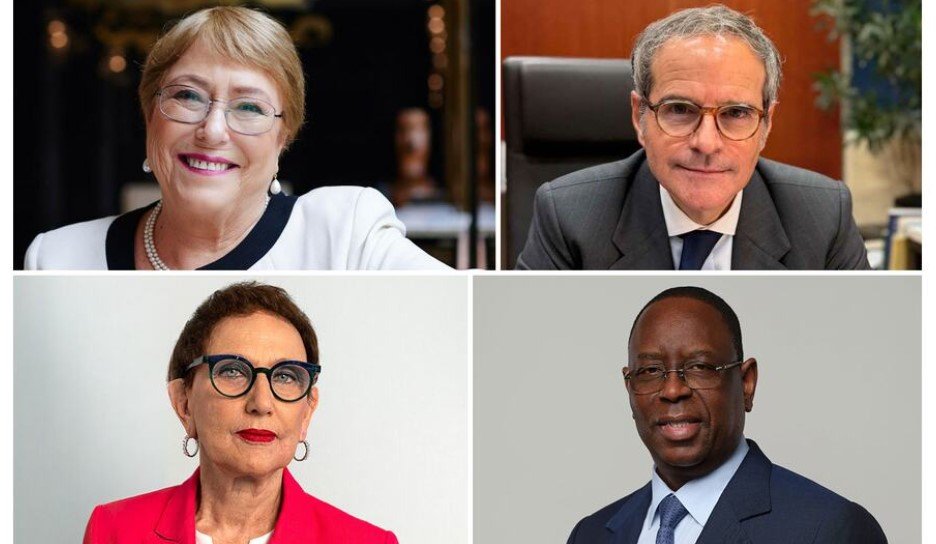
Six candidates aspiring to take over as the United Nations Secretary-General, following António Guterres, showcased their visionary roadmaps for the global organization at an important public debate held at the UN Headquarters in New York. Their discussions centered on managing escalating geopolitical tensions, conflicts, climate change, and dwindling confidence in this international entity.

As Guterres’ second and concluding term draws to a close on December 31, 2026, this debate emerged as a pivotal event in the succession race. A diverse audience of diplomats, UN staff, civil society representatives, and member states’ delegates posed probing questions to the candidates about urgent global issues. Key topics included peace and security, humanitarian challenges, sustainable development, and essential institutional reforms.
The prospective leaders include Michelle Bachelet from Chile, known for her past presidency of Chile and tenure as UN High Commissioner for Human Rights; María Fernanda Espinosa from Ecuador, former President of the UN General Assembly; Rafael Grossi from Argentina, who heads the International Atomic Energy Agency; Rebeca Grynspan from Costa Rica, current Secretary-General of UNCTAD; Carolyn Rodrigues-Birkett from Guyana, the nation’s former foreign minister; and Macky Sall, former President of Senegal.
During their discussions, the candidates agreed that the United Nations is navigating through one of its toughest times. Ongoing conflicts in regions like Ukraine, Gaza, and Sudan have highlighted significant rifts among member states. Many candidates emphasized restoring faith in the organization, enhancing multilateral efforts, and bolstering the UN’s responsiveness to global emergencies.
The debate also highlighted essential topics such as climate change, peacekeeping reforms, gender equality, human rights, and financing sustainable development. The contenders committed to making the organization more transparent, accountable, and responsive to developing countries’ needs while upholding the principles outlined in the UN Charter.
The next Secretary-General’s appointment will be formalized by the UN General Assembly based on recommendations from the UN Security Council. Here, any one of the five permanent member nations—United States, Russia, China, United Kingdom, and France—holds veto power that can influence the selection process. The decision-making journey is expected to continue in the months ahead as Guterres approaches his departure at year’s end.
With intense global attention fixed on this race, many diplomats view it as a defining moment for the United Nations. The organization seeks renewed leadership to steer through an increasingly intricate global environment characterized by conflict, economic turbulence, and growing humanitarian crises.