


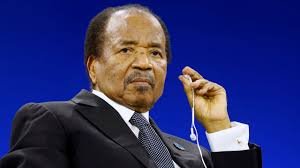
The prolonged absence of Cameroonian President Paul Biya from the public eye has sparked renewed concerns about a potential leadership vacuum. Opposition figures, civil society groups, and political analysts are questioning the country’s governance as the veteran leader has been absent from public view for 48 consecutive days.

Having ruled Cameroon since 1982, Paul Biya holds the title of Africa’s longest-serving president and has often faced criticism for his extended stays abroad. His latest absence has once again brought speculation about his health and his ability to continue leading the nation to the forefront.
While government officials maintain that the president is still in charge and performing his constitutional duties, the lack of public appearances has intensified demands for greater transparency regarding his condition and whereabouts.
Opposition leaders argue that the uncertainty surrounding the president’s absence highlights deficiencies in Cameroon’s political system, emphasizing the need for constitutional and institutional reforms to ensure governance continuity.
Political observers note that this situation has reignited discussions on presidential succession, especially as the country gears up for future political events. Analysts warn that prolonged uncertainty at the government’s highest level could impact investor confidence, policymaking, and national stability.
Supporters of the ruling party, on the other hand, have downplayed concerns about Biya’s absence, insisting that he remains in control and government institutions continue to operate normally. They accuse critics of using the situation for political advantage.
This debate arises at a time when Cameroon faces multiple national challenges, including economic pressures, insecurity in certain regions, and ongoing tensions in English-speaking areas.
Civil society organizations are calling for the government to provide regular updates on the president’s activities to reassure citizens and bolster confidence in state institutions.
At 93 years old, Biya is among the world’s longest-serving heads of state. His lengthy tenure has frequently sparked debate over leadership renewal, democratic governance, and Cameroon’s future political direction.
As public speculation persists, many Cameroonians and international observers are closely monitoring the situation, focusing on how the government addresses growing questions about leadership, succession, and the nation’s political future.