


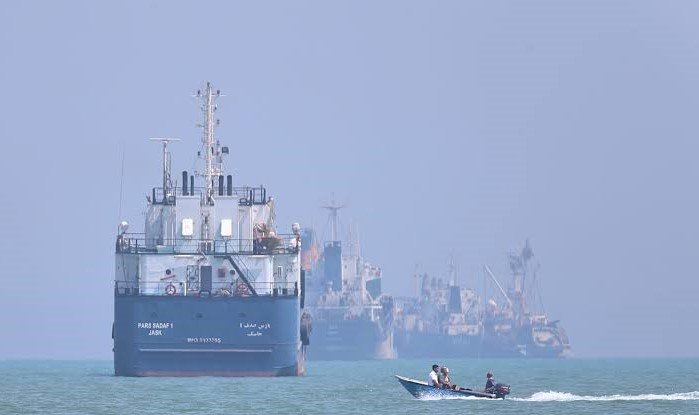
The United States and Iran have avoided military strikes for a third consecutive night, raising hopes that diplomatic efforts might ease tensions in the Middle East. This pause in hostilities coincides with intensified international mediation aimed at fostering dialogue between Washington and Tehran, following weeks of heightened military confrontation that sparked fears of a larger regional conflict.

Diplomatic sources indicate that both nations are using this lull in military activities to open up space for negotiations focused on easing tensions and exploring a sustainable de-escalation path. While a formal ceasefire hasn’t been declared, the lack of overnight attacks is being viewed positively by the international community.
The United Nations and various world leaders have consistently urged both countries to show restraint, warning that resumed military exchanges could destabilize the region, disrupt global energy markets, and worsen the humanitarian crisis across the Middle East.
Despite the current calm, security forces in both nations remain highly vigilant, with military assets closely monitoring the situation. Analysts warn that the situation is still precarious, and a single incident could quickly undo recent progress.
Observers suggest that the next few days will be pivotal in determining whether this pause in hostilities leads to significant diplomatic negotiations or if both sides will revert to military confrontation. As peace talks continue behind closed doors, governments throughout the region express hope that diplomacy will take precedence, reducing the risk of broader conflict and fostering a more stable security environment in the Middle East.