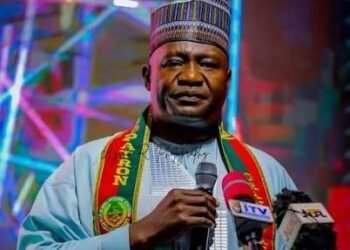



A former Director of the Department of State Services (DSS), Dennis Amachree, has pointed to the administration of former President Muhammadu Buhari as a key factor in the rise of insecurity in Nigeria. He highlighted the government’s inadequate response, pervasive corruption, and the alleged payments made to kidnappers and bandits as contributing factors.

In his book, “DSS @ 40: My Journey Behind the Shield,” Amachree asserts that the Buhari administration did not effectively confront the increasing threats from insurgents, bandits, and kidnappers. This lack of decisive action, he argues, allowed these criminal groups to widen their influence across the nation.
Amachree contends that despite Buhari’s background in the military, his administration was often seen as insufficient in managing the deteriorating security conditions, leading to perceptions of weak leadership during a critical period.
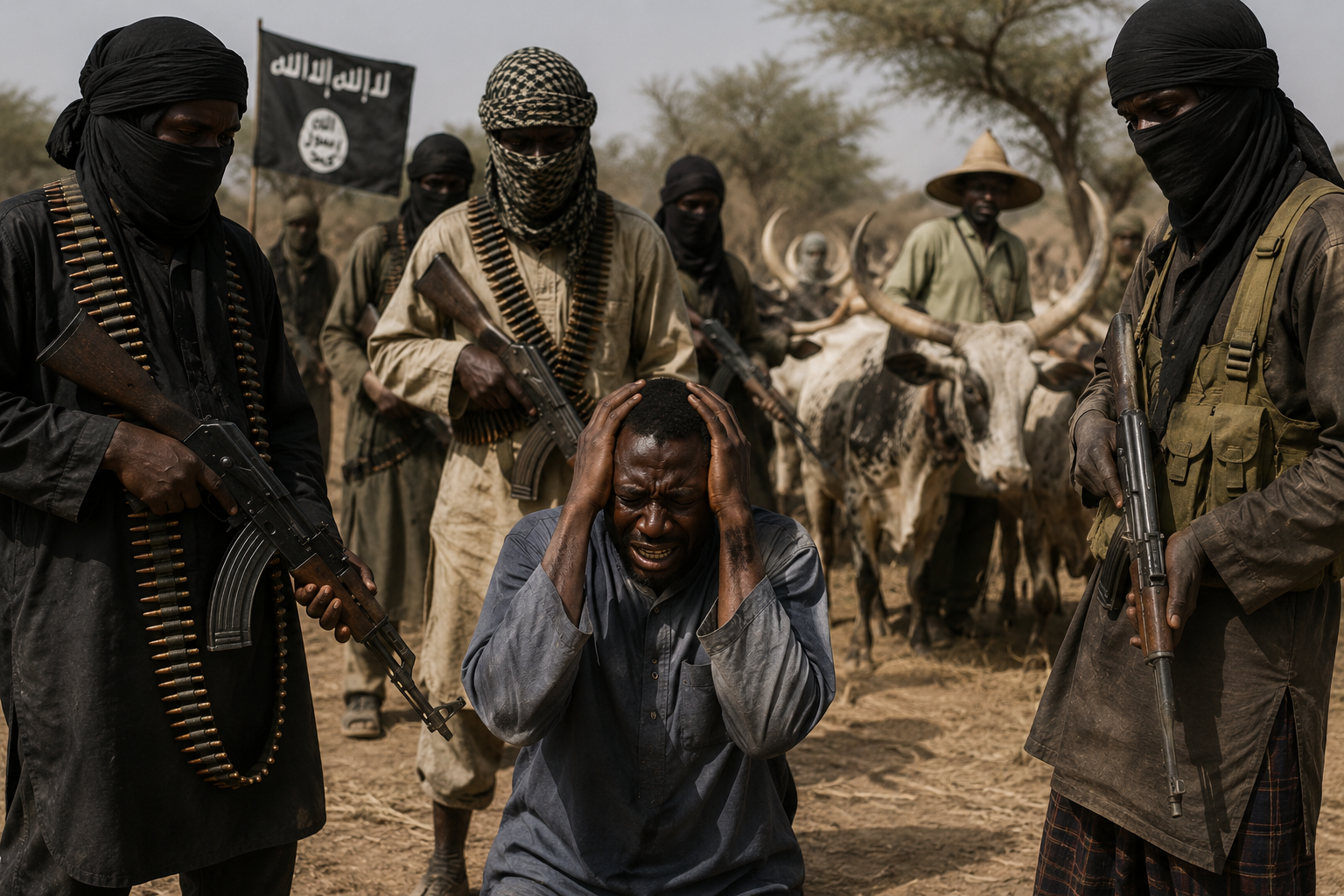
He further alleged that extensive corruption among senior government officials compromised Nigeria’s security infrastructure. He claims that vast sums were covertly paid as ransom, thus indirectly funding terrorism and strengthening criminal networks.
Despite official denials about these ransom payments, Amachree stated that comments from notorious bandit leaders, such as Bello Turji, undermined public trust in the government’s approach to handling insecurity.
The former intelligence chief also criticized the political elite in Nigeria, identifying them as barriers to peace and stability. He emphasized that the country’s security issues stem more from political failures than ethnic or religious divides.
He remarked on how economic difficulties and security challenges persisted while many politicians prioritized personal gain over addressing crucial national security issues.
Amachree’s insights have sparked renewed discussion around the Buhari administration’s approach to security, with analysts observing that threats such as terrorism, kidnapping, banditry, and violent crime were significant challenges during Buhari’s eight-year presidency.
His book provides an insider view on Nigeria’s security dynamics, stirring dialogue on the necessity for stronger intelligence collaboration, improved accountability, and comprehensive reforms to address ongoing security threats in the country.