






Farmers across Sudan are struggling to save their crops as unusually low Nile water levels and delayed rainfall worsen an already severe agricultural crisis.
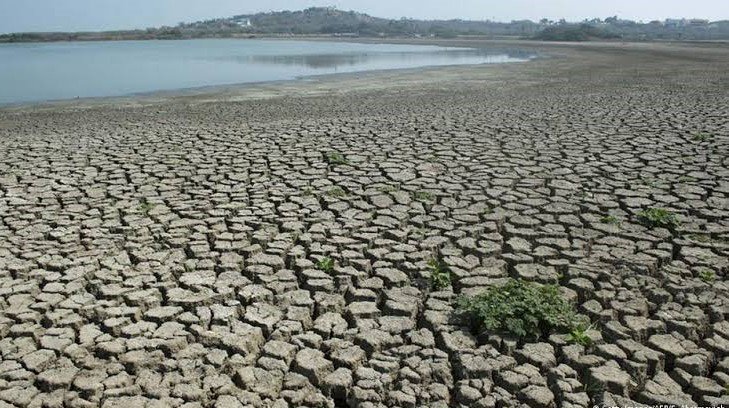
Along the dry banks of the Nile, farmers are struggling to pump enough water into their fields, while communities have gathered to pray for rain as the soil cracks under the intense heat.
The worsening conditions come as Sudan continues to grapple with the devastating consequences of war, soaring agricultural costs and disruptions to fuel and fertiliser supplies.
El Niño Delays Crucial Rains
The powerful El Niño climate pattern developing in the Pacific is affecting weather patterns around the world, contributing to delayed and below-average rainfall in parts of Sudan and the Nile basin.
The UN Food and Agriculture Organization has warned that Sudan’s agricultural season is unfolding under heightened climate risks, including prolonged dry spells and insufficient rainfall.
Climate and hydrology scientist Elfatih Eltahir of the Massachusetts Institute of Technology has studied the relationship between El Niño and the Nile for decades.
His research indicates that El Niño conditions are closely associated with reduced Nile flows and a higher risk of drought in southeastern Sudan and northwestern Ethiopia, where the Blue Nile originates.
Nile Levels Raise Concern
Water levels at Ethiopia’s Grand Renaissance Dam reservoir on the Blue Nile were reportedly significantly lower in July than during the same period last year.
The Blue Nile supplies a major portion of the water flowing into the Nile, making conditions in the basin critical for farmers downstream in Sudan.
Eltahir has also called for greater transparency and cooperation between Ethiopia, Egypt and Sudan over water management, particularly as climate change increases the risk of extreme droughts and floods.
Farmers Pray for Rain
In Gedaref State near the Ethiopian border, one of Sudan’s major agricultural areas, farmers say the delayed rains have already put crops and livestock at risk.
Fields that would normally be green by August remain brown and dry.
Farmers gathered behind local religious leaders to pray for rainfall, hoping the delayed rains would eventually arrive.
“We need these rains for our crops and our livestock, and they’re late,” farmer Abdelmajid Hussein said.
Agriculture authorities have advised farmers to consider drought-resistant crops and delay planting where possible.
But for many farmers, the rising cost of cultivation is making the situation increasingly difficult.
War and Rising Costs Compound Crisis
Sudan’s agricultural sector has already been devastated by the war that began in April 2023 between the country’s army and the paramilitary Rapid Support Forces.
The conflict has displaced millions, disrupted markets and damaged agricultural infrastructure.
Farmers are also facing soaring costs for fuel and fertiliser. Sudan depends heavily on imports for both, leaving producers vulnerable to disruptions in international supply chains and higher prices.
Some farmers have abandoned their fields altogether after determining that the cost of planting and maintaining crops would exceed potential earnings.
Farmers Fear Another Failed Season
In Al-Jazira State, another major agricultural region, farmers are struggling to recover land damaged by the conflict while facing a new threat from drought.
Farmer Hassan Ahmed said he had never seen the Nile so low in August during his decades of farming.
For many producers, the combination of war, high input costs, poor rainfall and low river levels has created an almost impossible environment.
A large share of Sudan’s arable land is already out of production, threatening the country’s ability to produce food at a time when millions of people are facing severe hunger.
For farmers who remain on their land, the hope is increasingly simple: that the rains will finally come before another harvest is lost.