






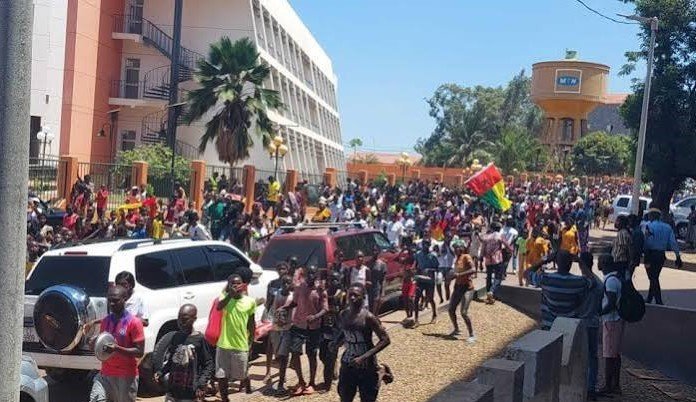
Guinea-Bissau will vote on a proposed new constitution on Sunday, August 30, in a referendum that could significantly reshape the country’s political system ahead of general elections planned for December.
The vote comes less than a year after military officers seized power in a coup, just one day before electoral authorities were expected to announce the results of a presidential election.
Under the proposed constitution, the president would have greater authority to appoint and dismiss the prime minister and cabinet, create or abolish ministries and chair the Council of Ministers.
The president could also dissolve parliament during a grave political crisis and dismiss the government under certain circumstances.
The proposed reforms would reduce parliament from 102 seats to 65 and cut the number of electoral constituencies from 29 to 12.
Supporters argue that the changes could improve the functioning of government and reshape political institutions. Critics, however, fear the reforms could concentrate excessive power in the presidency.
Professor Manuel Nobre de Barros of Lusofona University in Guinea-Bissau said the changes would significantly alter the balance between the executive and legislature and could leave the president with very broad powers.
The proposed constitution would also require presidential candidates to have lived continuously in Guinea-Bissau for the previous five years.
With the referendum scheduled for August 30 and general elections expected in December, the vote is being closely watched as Guinea-Bissau seeks to transition from military rule back to elected government.
The outcome could determine whether the country strengthens its political institutions or moves toward a more powerful presidency.