







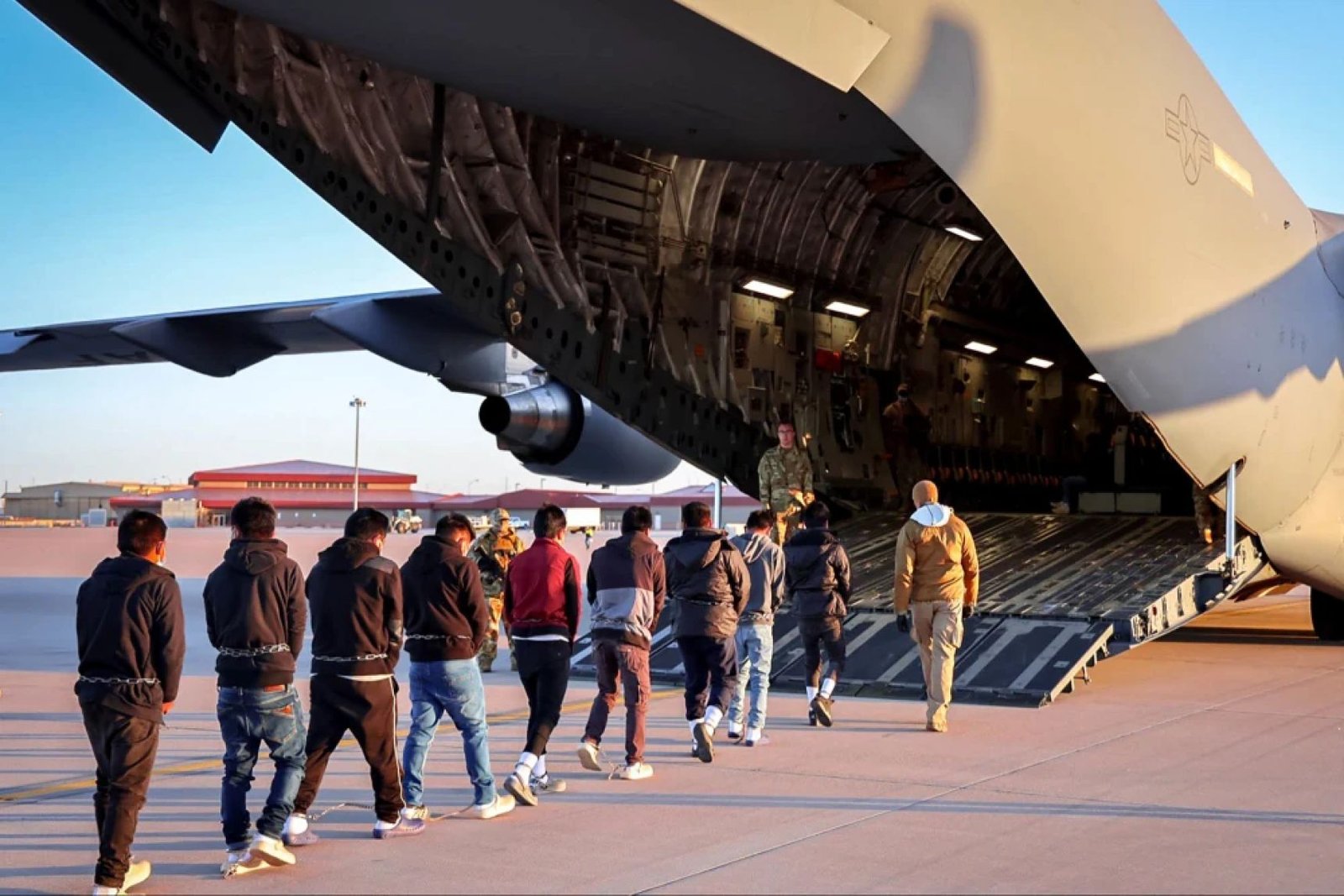
More than 50 people have been deported from the United States to Haiti, arriving in the northern city of Cap-Haïtien as the Caribbean nation continues to struggle with deadly gang violence and widespread insecurity.
Among those on Thursday’s deportation flight was Jay Dabelus, a professional boxer who was born in the Bahamas and said he had never lived in Haiti before being sent there.
“I just arrived in Haiti. I don’t know much about Haiti. Actually, I don’t know anything about Haiti. I was born in the Bahamas, and I had been living in the U.S.A. for about 20-something years,” Dabelus said.
He explained that he left the Bahamas as a child and spent more than two decades in the United States before being detained and deported to Haiti.
Now in a country he says is unfamiliar to him, Dabelus said he has no family members or resources to depend on.
“Other than that, I’m in the land of Haiti. It is nice here, but I am trying to move on. I don’t have any resources, family members, or people to aid me, so I am trying to see how I can go from there,” he said.
Deportation Flight Arrives in Cap-Haïtien
Haiti’s National Office of Migration said more than 50 deportees were aboard the flight, including two minors.
The aircraft landed in Cap-Haïtien rather than Port-au-Prince because the capital’s main airport remains considered too dangerous amid escalating gang violence.
The deportation comes just days after a gang attack in Haiti reportedly killed 47 people and left more than 50 others kidnapped, underscoring the serious security challenges facing the country.
Second U.S. Flight Since TPS Changes
Thursday’s deportation was the second U.S. flight to Haiti since the termination of Temporary Protected Status (TPS) for some 350,000 Haitians living in the United States.
The first flight, which arrived on August 20, carried more than 160 deportees.
The arrivals have raised concerns over the fate of people being returned to a country experiencing a severe security and humanitarian crisis.
Several deportees reportedly covered their faces after arriving, reflecting concerns about their safety and fears of being recognised in a country where armed gangs control or influence large areas.
For people such as Dabelus, the deportation also presents another challenge: starting over in a country with which they may have little or no personal connection.
As Haiti continues to battle gang violence, political instability and humanitarian challenges, the return of deportees is likely to remain a contentious issue in the debate over U.S. immigration policy.