






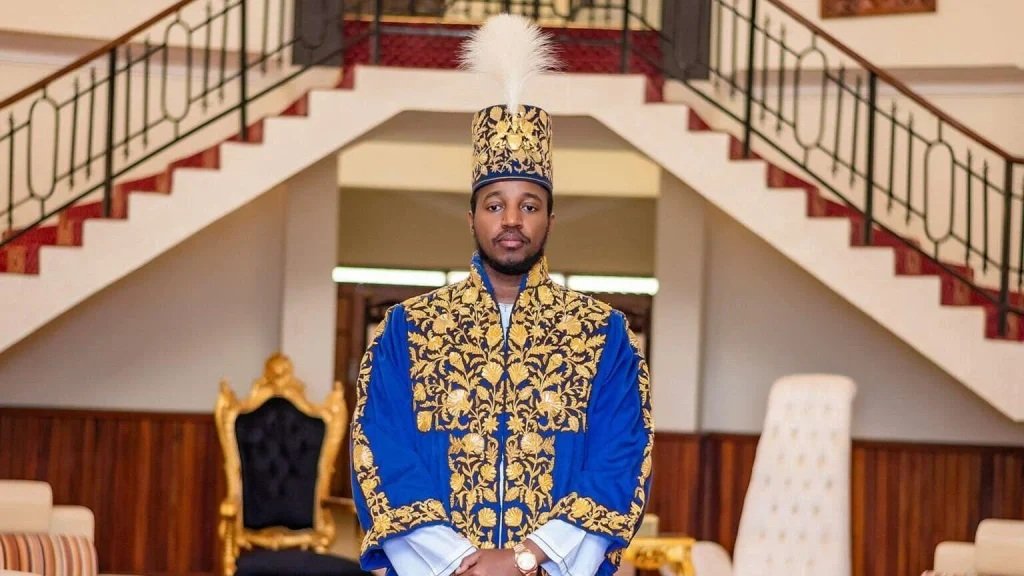
Uganda is mourning the death of King Oyo Nyimba Kabamba Iguru Rukidi IV, the longtime monarch of the Tooro Kingdom, who died in the United States at the age of 34.
The king reportedly passed away on Thursday, August 27, 2026, while undergoing medical treatment after becoming critically ill.
News of his death was announced by Tooro Kingdom Prime Minister Calvin Armstrong Rwomiire Akiiki, who described his passing as a devastating loss to the royal family, the people of Tooro and Uganda.
King Oyo was born on April 16, 1992, to the late King Patrick David Matthew Kaboyo Olimi III and Queen Best Kemigisa.
His life changed dramatically when his father died in August 1995. At only three years old, Oyo inherited the throne and was formally installed as Omukama of Tooro on September 12 that year.
His accession attracted international attention because he became the world’s youngest reigning monarch.
A Childhood on the Throne
Because Oyo was too young to rule independently, royal regents helped administer the kingdom while he received his education and grew into his responsibilities.
As the years passed, he gradually took on a more prominent role and became an important cultural symbol for the Tooro people.
His unusual journey—from a three-year-old heir thrust into the spotlight to an adult monarch—made him one of Africa’s best-known traditional rulers.
The Tooro Kingdom has confirmed that the royal institution will continue following his death. Officials have indicated that King Oyo left behind a son who is expected to succeed him.
However, the identity and formal recognition of the next heir will be announced according to the kingdom’s traditional procedures.
Chief Prince Charles Kamurasi has meanwhile called members of the royal family to an emergency meeting at Karuziika Palace as preparations for the succession get underway.
King Oyo’s death brings an end to an extraordinary chapter in the history of the Tooro Kingdom. He spent almost his entire life associated with the throne, becoming a symbol of the kingdom’s traditions and cultural identity.