







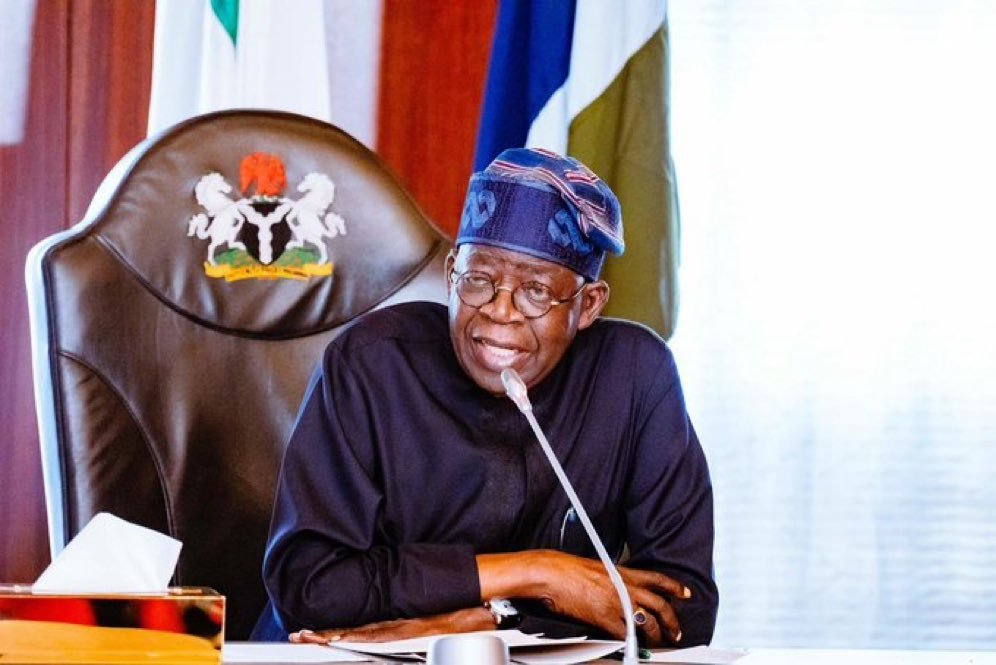
President Bola Tinubu has called on the African Union to take stronger action against recurring xenophobic and Afrophobic attacks targeting Africans and other foreign nationals in South Africa.
Tinubu’s position was delivered by Vice President Kashim Shettima during the 21st Extraordinary Session of the African Union Assembly in Luanda, Angola.
The Nigerian President acknowledged South Africa’s right to enforce its immigration laws but stressed that violence and discrimination against other Africans threaten the principles of unity and solidarity that underpin the African Union.
According to Tinubu, the repeated incidents require a coordinated response from African leaders rather than being treated solely as an internal matter.
Nigeria has therefore asked the AU to place the issue on the agenda of its 40th Ordinary Session, scheduled for January 2027, so that member states can discuss possible measures to address the problem.
Tinubu also urged African leaders to reaffirm their commitment to protecting the dignity, safety and fundamental rights of Africans wherever they live on the continent.
Nigeria Pushes for Stronger Conflict Prevention
Beyond the issue of xenophobia, Tinubu used the AU meeting to highlight wider security challenges facing Africa.
Nigeria backed the proposed Luanda Action Plan, which is aimed at strengthening conflict prevention and improving the continent’s ability to respond to emerging crises.
Tinubu argued that preventing conflicts before they escalate is more sustainable and less costly than attempting to resolve them after violence has already erupted.
He also expressed concern about fragmented peace initiatives and increasing foreign involvement in African conflicts, including the activities of mercenaries and private military and defence companies.
The President further called for greater cooperation between African governments and countries that manufacture and export weapons to prevent arms and ammunition from reaching terrorist organisations and other armed groups.
Tinubu maintained that the African Union already possesses important mechanisms for preventing and resolving conflicts, but said stronger trust and better implementation are needed to make those systems more effective.