






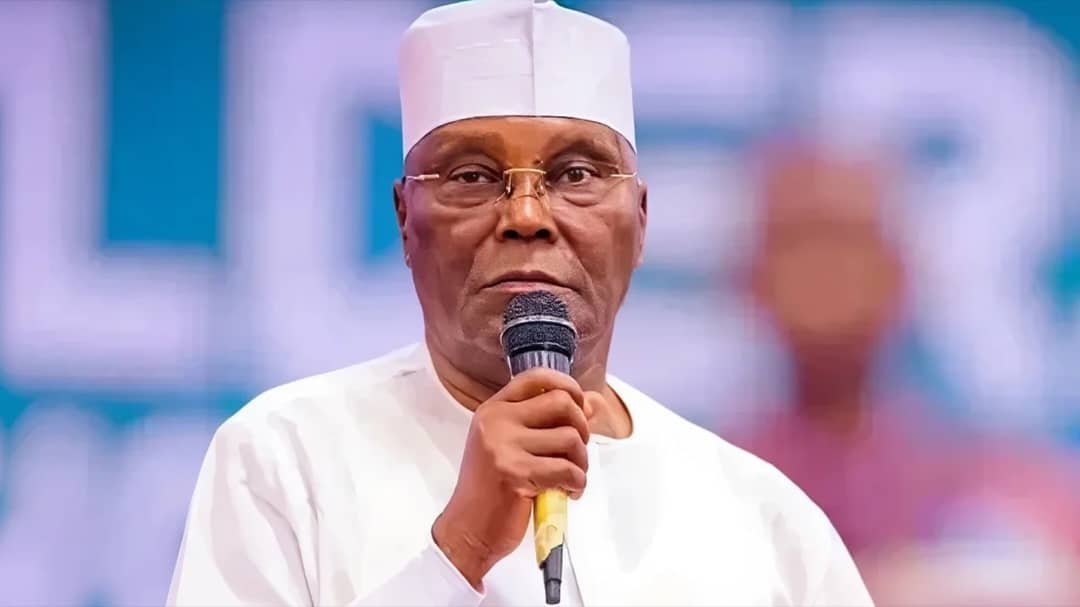
Former Vice President and African Democratic Congress (ADC) presidential candidate, Atiku Abubakar, has criticised President Bola Ahmed Tinubu over his decision to embark on a three-week vacation in Europe.
Atiku, in a statement issued on Sunday, argued that the President’s absence came at a difficult period for many Nigerians and described the situation as a troubling gap in political leadership.
He acknowledged that Tinubu’s trip did not create a constitutional vacuum, but maintained that the President’s decision to leave the country raised questions about the priorities of the government at a time when Nigerians were facing serious economic and security challenges.
According to Atiku, the country is dealing with rising living costs, food insecurity, expensive transportation and persistent insecurity, issues which he said require urgent attention from the nation’s leadership.
“Nigeria is burning,” Atiku said, insisting that the situation demanded stronger political leadership and greater attention from the President.
The former vice president also responded to possible comparisons between his own travels outside Nigeria and Tinubu’s current vacation. He explained that there was a clear difference between travelling as a private citizen and the responsibilities attached to occupying the highest political office in the country.
Atiku said Nigerians were struggling with the high cost of petrol, increasing food prices and transportation expenses, while insecurity continues to affect communities across the country.
He therefore questioned whether the timing of the President’s vacation was appropriate given the challenges confronting ordinary citizens.
The criticism comes as political activities ahead of the 2027 general elections continue to intensify, with opposition figures increasingly scrutinising the Tinubu administration and presenting their own alternatives to voters.
The Presidency, however, has explained that the President’s vacation is intended to give him an opportunity to rest after months of intensive engagement with national affairs before the expected increase in political activities.