






Senegal is taking a significant step toward strengthening local pharmaceutical production with the launch of a locally manufactured medicine for people living with sickle cell disease.
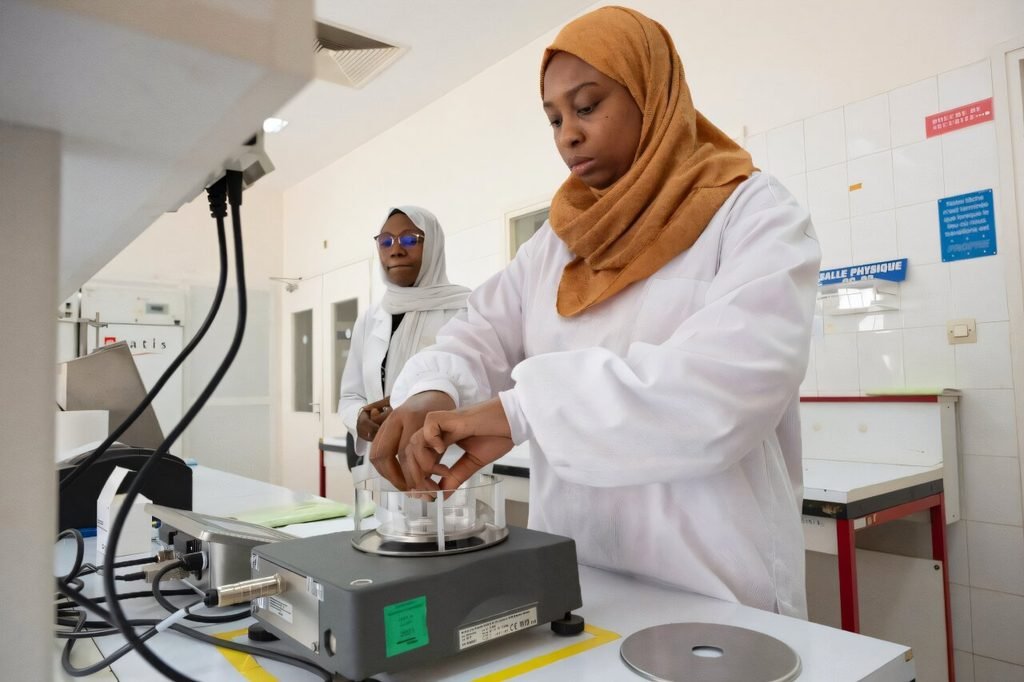
Teranga Pharma has started producing DREPAF, a generic form of hydroxyurea, a medicine that has been used for years to help manage sickle cell disease.
The development is attracting attention across Africa because it represents more than the introduction of another medicine to the market. It is part of a growing effort to reduce dependence on imported pharmaceuticals and increase Africa’s ability to manufacture essential medicines locally.
The pharmaceutical project reportedly represents an investment of about 4 billion CFA francs, equivalent to approximately US$7.1 million, in a production facility located in Mbao, near Dakar.
DREPAF Is a Treatment, Not a Cure
While the launch is an important development, DREPAF should not be confused with a cure for sickle cell disease.
Hydroxyurea is a disease-modifying medicine that can help reduce some of the complications associated with sickle cell disease. Among its effects is an increase in fetal haemoglobin, which can help reduce the frequency and severity of painful episodes for some patients.
Under appropriate medical supervision, hydroxyurea may help patients experience fewer complications, hospital admissions, blood transfusions and painful crises.
However, patients require proper diagnosis, dosing and ongoing medical monitoring. Access to the medicine alone cannot replace comprehensive sickle cell care.
Why Local Production Matters
One of the biggest challenges facing healthcare systems across Africa is access to affordable and reliable medicines.
Many countries remain dependent on imported pharmaceutical products, leaving patients and health systems exposed to international supply disruptions, transportation costs and fluctuations in medicine prices.
Producing DREPAF within Senegal could help address some of these challenges by bringing part of the manufacturing process closer to patients.
The reported selling price is approximately 3,000 CFA francs for the 500mg formulation and 1,500 CFA francs for the 100mg paediatric formulation.
The long-term benefit, however, will depend on whether production remains consistent, distribution improves and the medicine remains affordable to patients who need it.
Africa Faces a Major Sickle Cell Burden
The development comes against the backdrop of a significant sickle cell burden across sub-Saharan Africa.
The region accounts for a large proportion of global sickle cell cases, while challenges surrounding newborn screening, diagnosis, specialist care and access to medicines continue to affect many families.
Several African countries have consequently expanded their efforts to improve treatment and early detection.
Nigeria, Ghana, Kenya, Uganda and other countries have implemented screening, research and treatment programmes aimed at improving outcomes for people living with sickle cell disease.
Nigeria has also seen local pharmaceutical production of hydroxyurea, demonstrating that Senegal is joining a wider continental movement toward strengthening domestic pharmaceutical capacity.
Could DREPAF Reach Other African Countries?
Teranga Pharma has indicated that it has ambitions beyond the Senegalese market.
The company is reportedly looking at supplying DREPAF to other African countries, including Burkina Faso, Guinea, Côte d’Ivoire, the Democratic Republic of Congo, Gabon and Cameroon.
If those plans materialise, Senegal could potentially become part of a regional pharmaceutical supply network for sickle cell treatment.
Such expansion could also support the broader African goal of increasing intra-African trade in medicines and reducing dependence on pharmaceutical imports from outside the continent.
A Step Toward Pharmaceutical Independence
Senegal’s DREPAF initiative highlights a larger issue facing African healthcare: the need to build stronger domestic pharmaceutical industries.
Local production does not automatically solve medicine shortages or guarantee lower prices. Manufacturers still need reliable raw materials, financing, regulatory approval, skilled workers, distribution networks and sustainable demand.
Nevertheless, establishing production capacity is an important starting point.
For people living with sickle cell disease, the real measure of success will ultimately be whether the medicine is consistently available, medically appropriate and affordable.
DREPAF is not a cure for sickle cell disease. But its local production represents another step toward strengthening Africa’s capacity to manufacture essential medicines and provide patients with more reliable access to treatment.
Hashtags
#Senegal #DREPAF #SickleCellDisease #Hydroxyurea #AfricanHealthcare #PharmaceuticalIndustry #HealthcareAfrica #LocalManufacturing #SickleCellAwareness #AfricaHealth #Dakar #TerangaPharma