






Normal activities have gradually resumed in Niger’s capital, Niamey, following a brief but intense military mutiny that left several people dead and dozens of soldiers detained.
The attempted uprising occurred in the early hours of Saturday when some soldiers reportedly tried to advance towards the presidential palace.
Heavy gunfire was reported during the confrontation before security forces succeeded in containing the situation.
By Sunday, however, life in the capital had largely returned to normal, with residents going about their daily activities despite the tension generated by the previous day’s events.
Soldiers Reportedly Frustrated Over Security Situation
Initial reports indicate that the soldiers involved in the mutiny were unhappy with the government’s handling of persistent militant attacks across the country.
Niger has continued to face attacks from armed groups linked to the Islamic State and Al-Qaeda, despite the military government’s repeated promises to improve security.
A resident of Niamey, Hassane Assoumane, said the mutiny was an indication that there were unresolved concerns within the military.
“As soon as there’s a mutiny, it means that things aren’t going well,” he said.
He suggested that the authorities now face the task of addressing whatever grievances may have contributed to the soldiers’ decision to rebel.
Several Soldiers Detained
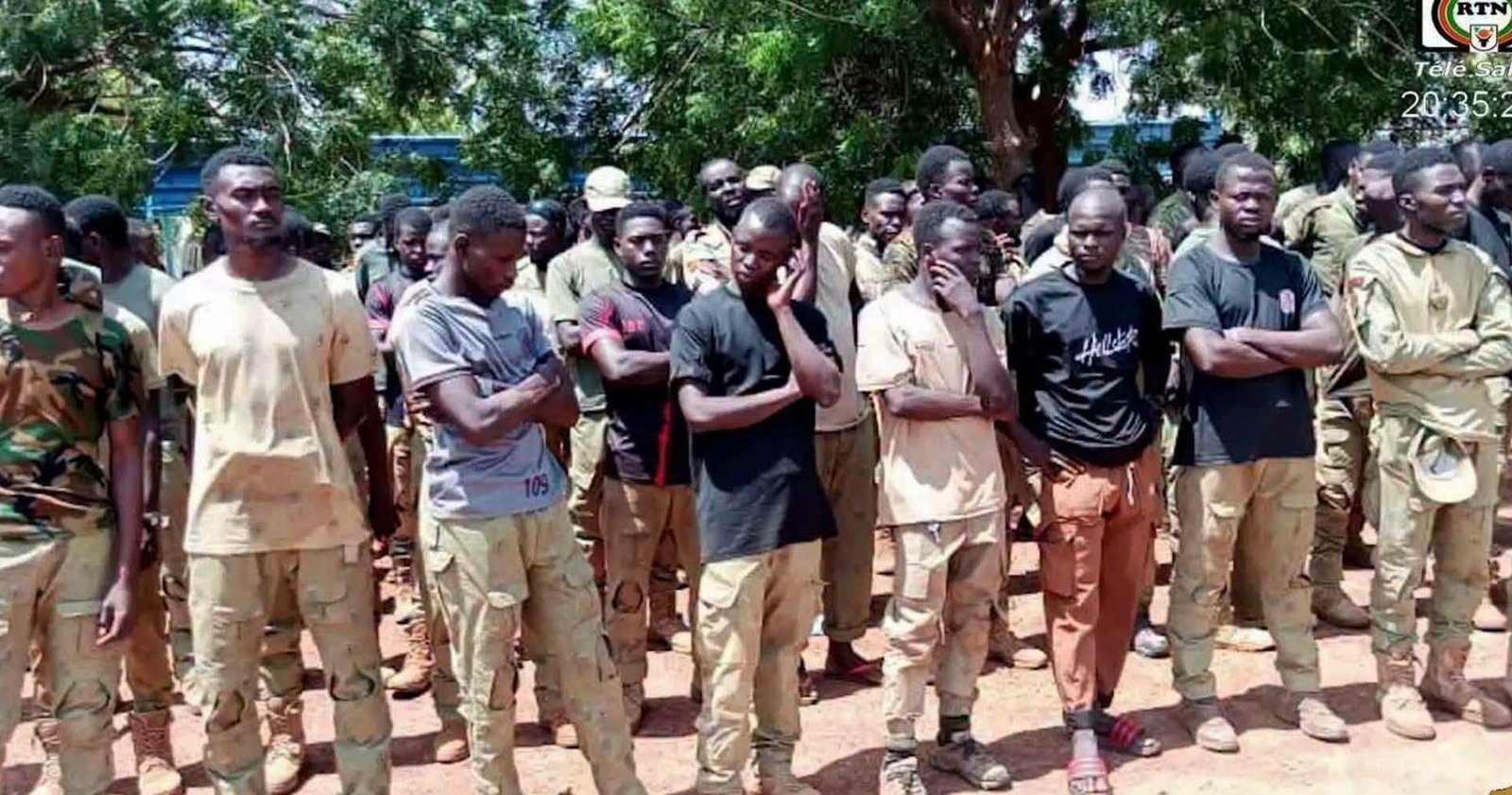
The government reportedly detained dozens of soldiers following the failed attempt, while several others were killed during the clashes around the presidential palace.
The incident represents another serious security challenge for the military authorities, who have been in control of Niger since the 2023 coup that brought General Abdourahmane Tiani to power.
Tiani took power promising to strengthen national security and reduce the threat posed by armed groups.
However, militant attacks have remained a major challenge for his administration.
Niger Changes Its Foreign Alliances
Since taking power, Tiani’s government has significantly changed Niger’s foreign policy.
The military authorities have ended much of the country’s previous military and diplomatic cooperation with France and have looked to other international partners for support.
Niger has developed closer relations with countries including Russia, Turkey and Iran.
Russia’s Africa Corps was reportedly involved in efforts to help Nigerien forces contain Saturday’s mutiny.
The growing role of new foreign partners reflects the broader geopolitical changes taking place in the Sahel, where military governments in Niger, Mali and Burkina Faso have increasingly moved away from traditional Western alliances.
Another Warning for Niger’s Military Government
The failed mutiny is likely to raise fresh questions about morale within Niger’s armed forces and the government’s ability to address the country’s worsening security situation.
Although authorities have regained control of Niamey, the underlying threat from militant groups remains.
The latest confrontation also demonstrates the pressure facing Tiani’s government from two directions: armed groups operating across parts of the country and dissatisfaction within sections of the military.
For residents of Niamey, the immediate priority is a return to stability.
But whether the government can prevent another military uprising while simultaneously tackling the militant threat will remain a major test for Niger’s leadership.