






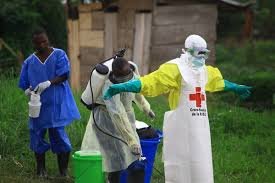
The Democratic Republic of Congo is facing its most serious Ebola outbreak on record, with confirmed infections now exceeding 6,000 and the death toll approaching 3,000.
Figures released by Congolese authorities show that 6,041 people have been confirmed infected, while 2,911 deaths have been recorded. At least 1,366 patients have recovered, offering a measure of hope amid the rapidly expanding health crisis.
The outbreak has spread across 60 health zones in six provinces, with eastern parts of the country bearing much of the burden.
A Fast-Growing Health Emergency
The current outbreak is being caused by the Bundibugyo strain of Ebola, a relatively rare variant for which there is currently no approved vaccine or specific treatment.
The rapid growth of infections has made the response increasingly difficult, particularly in communities already struggling with insecurity and displacement.
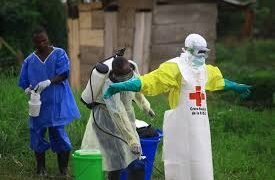
The World Health Organization has warned about the scale and speed of the outbreak, while health authorities continue efforts to identify cases, isolate patients and limit further transmission.
Conflict Makes the Response Harder
The Ebola crisis is unfolding in parts of eastern Congo that have already been affected by armed conflict and humanitarian emergencies.
Population displacement and movement between communities are making it more difficult for health workers to track contacts and identify new infections quickly.
Healthcare workers have also faced difficult working conditions, with a strike over unpaid wages reported earlier in August.
These challenges have created an additional burden for a health system already under significant pressure.
Vaccination Efforts Underway
Authorities and international health partners have begun using the Ervebo Ebola vaccine among frontline workers under a special-use programme.
However, Ervebo was developed for the Zaire strain of Ebola rather than the Bundibugyo strain responsible for the current outbreak.
Clinical research is therefore being pursued to determine whether the vaccine can provide protection against the strain currently spreading in Congo.
A Race Against Further Spread
The latest figures have pushed the current epidemic beyond Congo’s previous major Ebola outbreak of 2018–2020, making it the country’s largest recorded Ebola crisis.
Health officials now face the difficult task of slowing transmission while reaching communities where insecurity, displacement and limited access to healthcare continue to complicate the response.
For thousands of families, the numbers represent much more than statistics. They reflect patients fighting for their lives, families grieving loved ones and communities living under the constant threat of infection.
With more than 6,000 confirmed cases already recorded, the coming weeks will be critical in determining whether Congo can bring the outbreak under control or whether the epidemic will continue expanding across the region.