






US president cites national interest as decision to suspend key sanctions provisions draws criticism from lawmakers
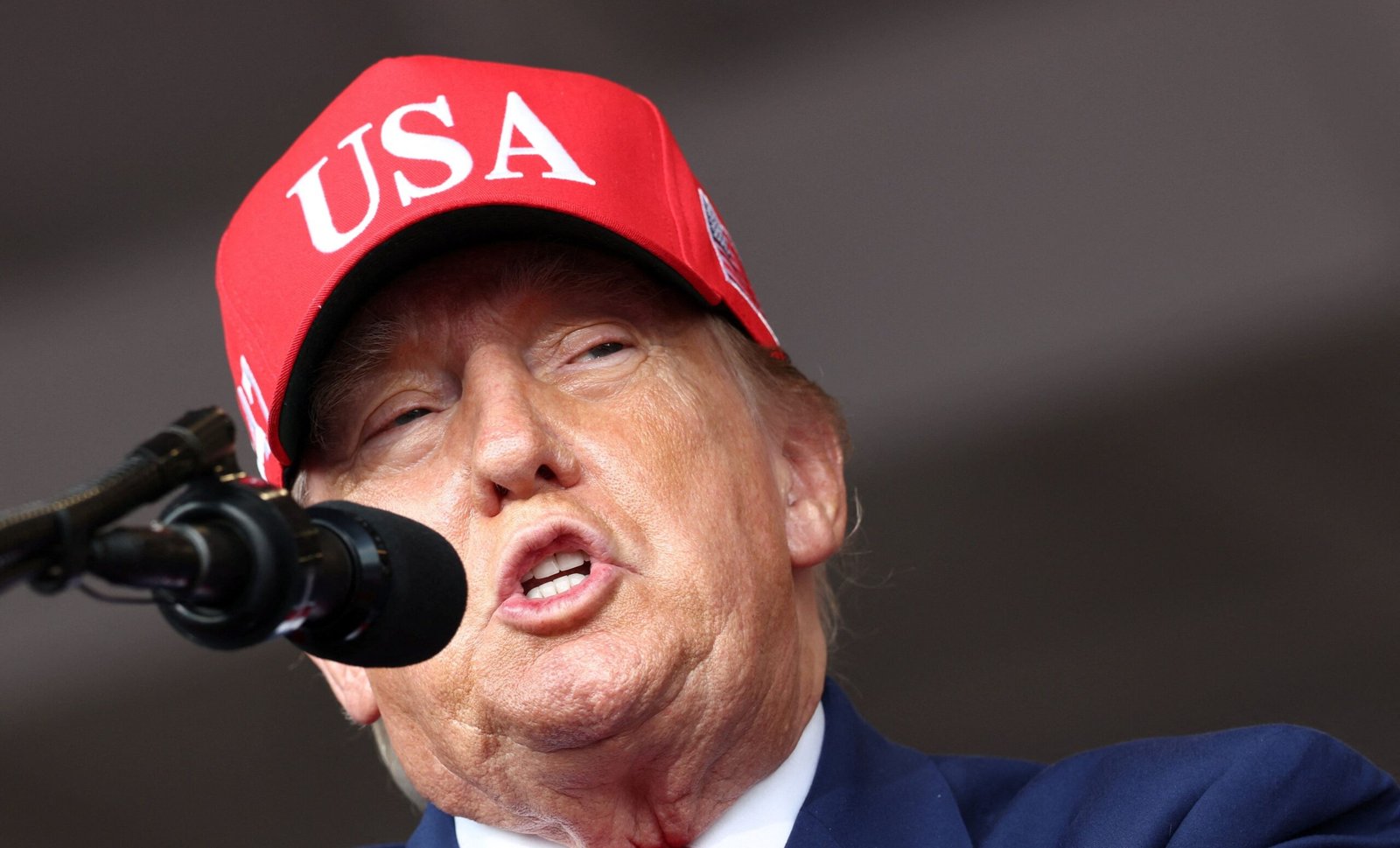
US President Donald Trump has waived several major sanctions provisions targeting Russia, just days before they were due to take effect, amid growing tensions between Washington and Ukrainian President Volodymyr Zelensky.
Trump signed an executive order on October 16, 2026, invoking the national-interest provision of the Lindsey O. Graham Sanctioning Russia and Iran Act of 2026. The legislation, which he signed into law in September, was scheduled to begin taking effect on October 18.
The White House order suspends the application of numerous sanctions, restrictions and tariff provisions under the law. It does not, however, remove existing sanctions imposed under earlier executive orders.
Sanctions targeted Russian oil buyers and officials
The legislation was designed to increase economic pressure on Moscow over its war against Ukraine. Among its provisions were potential tariffs of up to 100 per cent on imports from major purchasers of Russian-origin oil and gas, alongside measures targeting Russian officials, financial institutions and networks accused of helping Russia evade sanctions.
The law also provided the US president with authority to waive certain measures if he certified to Congress that doing so was in the national interest.
Trump used that authority to suspend multiple provisions, with the waivers remaining in effect until the president or designated officials determine that further action is appropriate.
Lawmakers criticise Trump’s decision
The decision has prompted criticism from Democratic lawmakers, who argue that suspending the measures undermines Congress’s intention to increase pressure on Russia.
Virginia Congressman Don Beyer accused Trump of abandoning Ukraine’s interests and weakening the purpose of the legislation.
“Trump’s latest surrender to Putin again betrays our Ukrainian partners and defies clear congressional intent,” Beyer wrote on X.
The criticism reflects concerns among supporters of Ukraine that easing economic pressure could reduce the costs Russia faces for continuing its military campaign.
Russian envoy Kirill Dmitriev, meanwhile, welcomed the decision, describing the waiver as an important moment for US-Russia economic relations. He argued that the sanctions could have damaged the US and the wider global market.
US-Ukraine relations face fresh strain
The decision comes amid a worsening public dispute between Trump and Zelensky, following controversy over a reported US arrangement involving Russian diesel supplies.
The Trump administration has presented energy-related measures as part of efforts to address rising fuel costs. Zelensky and Ukrainian officials have criticised moves that could provide Russia with additional economic benefits while the war continues.
The two presidents have also exchanged sharp remarks. Trump described Zelensky as more difficult to deal with than Russian President Vladimir Putin, while Zelensky used an appearance at a European Union summit to praise the presence of “real leaders”.
Ukraine has repeatedly argued that sustained sanctions are necessary to limit Moscow’s ability to finance its war effort.
Energy costs and domestic politics
The dispute is unfolding as higher energy prices place pressure on the US administration ahead of the November midterm elections. The conflict involving Iran has added to concerns about fuel costs and inflation.
Trump’s decision to waive the new measures therefore raises questions about how his administration will balance energy affordability, relations with Moscow and support for Ukraine.
The order does not end every US sanction against Russia, but it delays or removes the application of several measures contained in the recently enacted law. The policy’s longer-term effects will depend on whether the waivers remain in place and how Washington manages its relations with Kyiv and Moscow.