






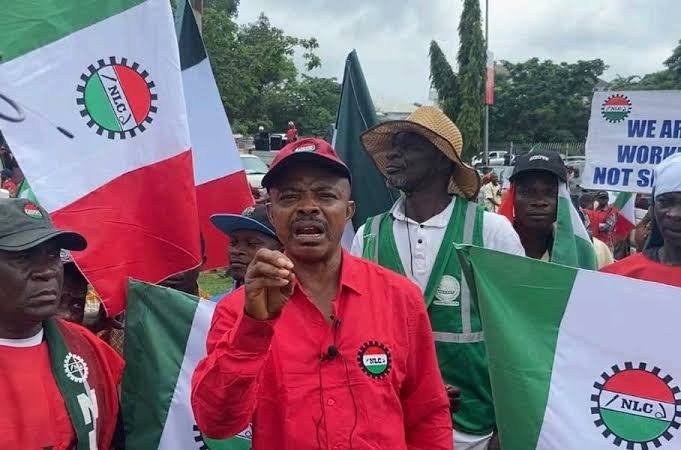
The Nigeria Labour Congress (NLC) has insisted that its two-week ultimatum to the Federal Government remains in force, demanding lower petrol prices, fresh minimum wage negotiations and urgent measures to ease the economic hardship facing Nigerian workers.
NLC President Joe Ajaero reaffirmed the union’s position on Monday, October 19, in Abuja, warning that workers’ purchasing power had continued to decline despite the introduction of the ₦70,000 national minimum wage in 2024.
Ajaero Says Workers Are Still Suffering
Ajaero said the government should address workers’ hardship before the situation escalates into industrial action.
He maintained that the existing minimum wage had lost much of its value because of rising living costs, particularly the cost of petrol, transportation, food, housing and other essential services.
The NLC issued its two-week ultimatum on October 8, with the deadline beginning on Friday, October 9. The union wants the government to reduce petrol prices to the levels prevailing when the current minimum wage was signed into law in 2024 and begin negotiations on a new wage agreement before the end of October.
The labour body has also demanded tax relief, immediate wage awards to cushion workers against rising costs, and the implementation of outstanding agreements involving health-sector and public-sector workers.
Federal Government Calls for Balance
The Federal Government has urged a balance between workers’ demands for improved remuneration and the country’s fiscal capacity.
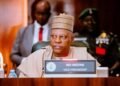
Secretary to the Government of the Federation George Akume made the appeal in a message delivered by Permanent Secretary in the Office of the Secretary to the Government of the Federation, Dr Abubakar Kana, at a retreat organised by the National Salaries, Incomes and Wages Commission in Abuja.
Akume said wage decisions should take prevailing economic conditions into account while protecting workers’ welfare. The government also warned against avoidable industrial disputes.
Strike Threat Remains a Concern
Ajaero said the government should not wait for workers to embark on strikes or protests before taking action to address their concerns.
The NLC has warned that failure to meet its demands within the stipulated period could lead to further action, to be determined by the union’s relevant organs.
The union’s position follows its rejection of the government’s response to the ultimatum. In a report published on October 15, Vanguard said the NLC had objected to the government’s position that negotiations for a fresh minimum wage review would be premature before June 2027.
Economic Hardship at the Centre of Dispute
The disagreement highlights the challenge of reconciling workers’ demands for better wages with the government’s financial constraints amid continuing economic reforms.
For the NLC, the ₦70,000 minimum wage has not adequately protected workers from rising living costs. For the government, wage decisions must also take account of available public finances.
With the two-week deadline approaching, the outcome of discussions between both sides could determine whether the dispute is resolved through dialogue or escalates into further industrial action.