






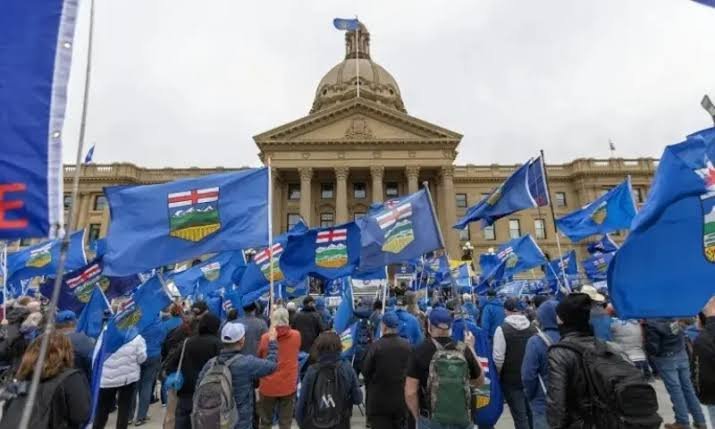
Voters in Alberta, Canada, are heading to the polls on Monday, October 19, 2026, in a non-binding referendum that could set the stage for a future vote on whether the oil-rich province should separate from the country.
The referendum comes amid growing tensions between Alberta and the federal government in Ottawa over energy policies, immigration, constitutional powers and the province’s contribution to Canada’s economy.
Premier Danielle Smith called the vote after a grassroots separatist campaign gathered signatures demanding a public decision on Alberta’s future.
Why Separatists Want Alberta to Leave Canada
Supporters of independence argue that Alberta’s economic contributions, particularly from its oil and energy industries, are not adequately reflected in federal policies.
They have also criticised decisions made in Ottawa that they believe restrict the province’s economic potential and control over its resources.
Those opposing separation warn that independence could create significant economic uncertainty, disrupt trade and bring complex constitutional challenges. Some have compared the prospect to Brexit, Britain’s departure from the European Union.
What Happens if Separatists Win?
The ballot does not ask Albertans to make the province immediately independent.
Instead, voters are being asked whether Alberta should remain a Canadian province or whether the provincial government should begin the legal process required to hold a separate, binding referendum on independence.
A majority supporting the second option would therefore begin another stage of the process; it would not automatically separate Alberta from Canada. Any eventual separation would involve substantial legal and constitutional questions. (Reuters)
Polls Point to Support for Remaining in Canada
Pre-election opinion polls indicated that most Albertans preferred to remain part of Canada, although support for separatism has made the issue a significant political debate.
Prime Minister Mark Carney has campaigned for national unity, warning about the potential consequences of separation. Smith, who called the referendum, has also expressed support for Alberta remaining within Canada.
The final outcome will depend on the votes cast and counted.
Ten Questions on the Ballot
The referendum includes ten questions. Alongside the question about Alberta’s constitutional future, voters are being asked to consider other matters, including immigration and constitutional issues.
The vote is being closely watched across Canada because of its potential implications for federal-provincial relations and future debates about resource control, political autonomy and national unity.