






The Federal Government has confirmed an imported case of Ebola virus disease in the Federal Capital Territory (FCT), Abuja, with 44 contacts identified for monitoring as health authorities intensify efforts to prevent further transmission.
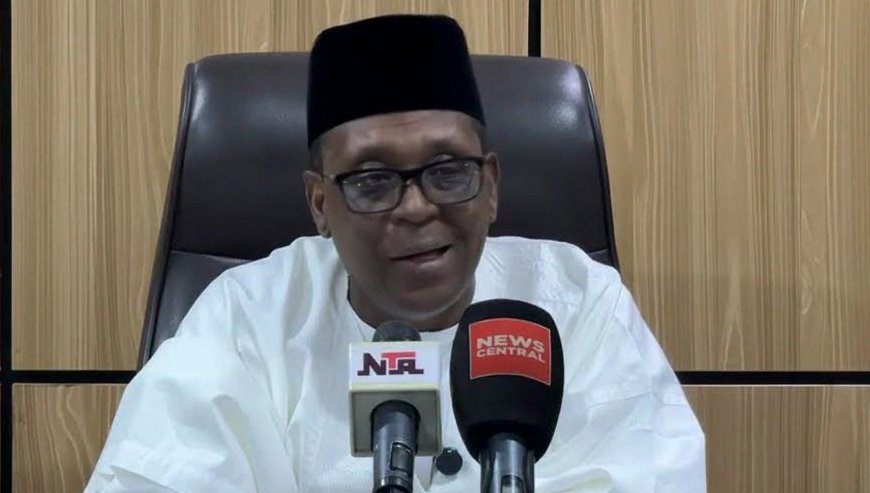
Coordinating Minister of Health and Social Welfare, Professor Muhammad Ali Pate, announced the case on Tuesday, October 20, 2026, after laboratory tests confirmed the infection in a woman who recently travelled to Nigeria.
Patient Isolated as Contact Tracing Continues
According to the minister, the woman developed symptoms on October 7 and sought medical attention at a private hospital in Abuja on October 11. Her condition subsequently worsened, and laboratory tests confirmed Ebola Bundibugyo virus disease on October 20.
She has been placed in isolation and is receiving medical care.
The 44 contacts identified so far include healthcare workers, patients, caregivers and people who may have travelled with the patient. Public health teams are working to identify and monitor anyone who may have been exposed.
Pate urged people contacted by public health officials, including potentially exposed airline passengers, to provide the requested information and comply with official health guidance.
Authorities Investigate Possible Source of Infection
Although the patient had recently travelled through Uganda, the precise location where she contracted the virus has not been established.
Ugandan authorities said the woman had travelled to eastern Democratic Republic of the Congo for business and transited through Uganda before continuing to Nigeria. They stated that travelling through Uganda did not establish that the infection originated there. <Cite refs={[“turn469180news36″,”turn469180search11”]}/>
The case comes amid a wider regional outbreak of Ebola Bundibugyo virus disease, first declared in the Democratic Republic of the Congo in May 2026. The World Health Organization said Nigeria had become the fifth country to detect the virus during the outbreak.
Health Agencies Coordinate Response
The Federal Ministry of Health and Social Welfare, Nigeria Centre for Disease Control and Prevention (NCDC), FCT Health Services Secretariat, World Health Organization and Africa Centres for Disease Control and Prevention are working together to contain the infection.
The private hospital where the patient received treatment is also receiving support to strengthen infection prevention and control procedures.
Pate called on public and private healthcare facilities nationwide to remain alert, promptly isolate suspected cases and report them to public health authorities.
What Nigerians Should Know
Ebola can spread through direct contact with the blood or other bodily fluids of an infected person who is showing symptoms, or through contaminated objects and surfaces.
Health authorities are urging anyone who may have been exposed to cooperate with contact-tracing teams and follow official medical advice. People who develop symptoms after a possible exposure should contact public health authorities for guidance before visiting a healthcare facility.
The government is drawing on Nigeria’s experience containing an Ebola outbreak in 2014, while monitoring the current case and working to prevent further transmission. The identification of 44 contacts does not mean those individuals have Ebola; they are being monitored because they may have been exposed.
The immediate priority remains identifying possible contacts, protecting healthcare workers and preventing the imported case from leading to wider community transmission.