






The Federal Government has approved a monthly transport allowance of ₦70,000 for public service workers for six months, beginning in November 2026, as part of efforts to ease the pressure of rising living costs.
The approval followed a conciliation meeting between the Federal Government and the Nigeria Labour Congress (NLC) in Abuja on Tuesday, October 27, 2026.
The meeting addressed workers’ welfare, outstanding allowances, minimum wage negotiations and other concerns raised by organised labour.
Government Approves Outstanding Allowance Payments
Under the agreement, the government also approved the payment of outstanding peculiar allowance arrears, effective from May 1, 2026.
The arrears will be paid in three equal monthly instalments beginning in November.
The resolutions were documented in a memorandum of understanding signed by the Director-General of Budget, Timi Yakubu; NLC President, Joe Ajaero; Permanent Secretary of the Service Welfare Office, Dr Garba Abdul S.U.; and Minister of Labour and Employment, Dr Muhammad Maigari Dingyadi.
The agreement also covered health workers’ remuneration, tax relief and hazard allowances for agricultural officers.
Minimum Wage Implementation Date Remains Unresolved
Despite the agreement on transport support and other welfare measures, the Federal Government and organised labour did not reach a consensus on the effective date for implementing the national minimum wage.
Both parties, however, agreed to immediately constitute a Minimum Wage Negotiation Committee to address the outstanding issue.
The committee is expected to bring together representatives of government, labour and employers to continue discussions.
Health Workers and Other Allowances
The resolutions also addressed outstanding allowances owed to health workers, with an agreement to settle 19 months of arrears within three months beginning in December 2026.
The parties further discussed a proposed adjustment to the Consolidated Health Salary Structure (CONHESS), with the National Salaries, Incomes and Wages Commission expected to complete its assessment of the cost implications within three weeks.
For agricultural officers, the list of beneficiaries and the associated costs of hazard allowances are undergoing verification. The relevant commission is expected to complete the process within two weeks before issuing an implementation template.
The question of tax relief for workers will be referred to the National Economic Council for consideration.
Labour Describes Meeting as Productive
Speaking after the meeting, NLC Assistant Secretary-General Chris Onyeka described the discussions as productive but said the outcome fell short of labour’s expectations.
He acknowledged that negotiations involve compromises and that parties do not always secure everything they demand.
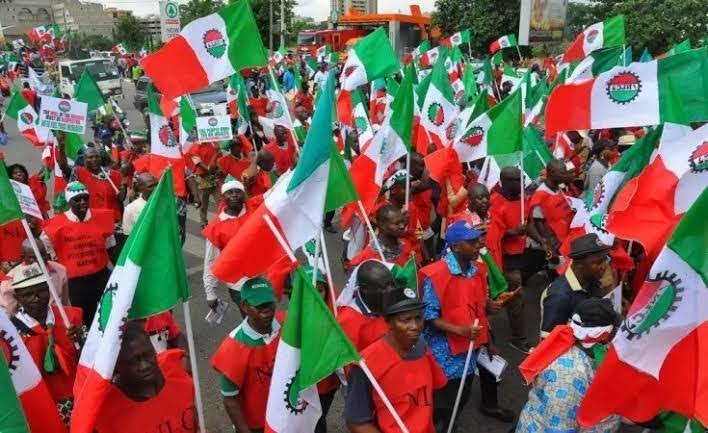
The meeting followed continued pressure from organised labour over the rising cost of living, transportation expenses and the implementation of outstanding agreements.
State and Local Governments Urged to Participate
The memorandum urged state and local governments to participate in the intervention process and encouraged unions to pursue implementation within their respective jurisdictions.
The Federal Government and the NLC also agreed to reconvene after one month to review progress on the resolutions.
Although the six-month transport intervention provides a temporary support measure for public service workers, the impact will depend on implementation. The timing of the minimum wage arrangements and several other welfare issues remains subject to further action.