



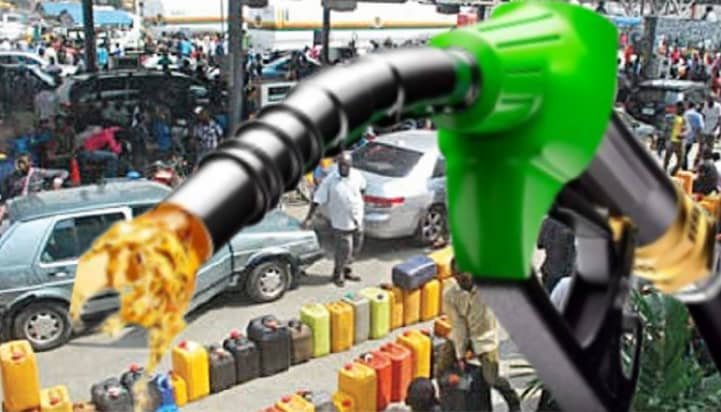
Motorists across Nigeria have been left stranded after several filling stations, including outlets operated by the Nigerian National Petroleum Company Limited (NNPCL) and MRS Oil Nigeria Plc, reportedly suspended fuel sales amid another increase in the pump price of Premium Motor Spirit (PMS), commonly known as petrol.

The latest development follows fresh adjustments in fuel prices, with many independent and major marketers reviewing their pump prices in response to prevailing market conditions. The temporary closure of some filling stations triggered long queues at outlets that continued dispensing fuel, as motorists rushed to purchase petrol before further price changes.
Industry sources attributed the price adjustment to fluctuations in supply costs, foreign exchange dynamics, and evolving market realities within Nigeria’s deregulated downstream petroleum sector.
The increase comes despite expectations that the Dangote Petroleum Refinery would help stabilize domestic fuel supply and moderate pump prices. However, stakeholders note that pricing in the deregulated market remains influenced by multiple economic factors, including crude oil prices, logistics costs, and exchange rates.
Consumers have expressed concern over the renewed increase, warning that higher fuel prices could further raise transportation costs, food prices, and the overall cost of living. Commercial drivers and transport operators also fear that the latest adjustment may force another round of fare increases.
Meanwhile, petroleum marketers have appealed for public understanding, maintaining that pump prices are determined by prevailing market conditions. They also expressed optimism that improved local refining capacity and increased product availability would eventually enhance market stability.
As Nigerians continue to monitor developments in the downstream oil sector, industry experts say sustained domestic refining, efficient distribution networks, and stable foreign exchange policies will be critical to achieving long-term price stability and energy security.