


The World Health Organization (WHO) has announced that the combined death toll from Ebola outbreaks in the Democratic Republic of the Congo (DRC) and Uganda has exceeded 1,000, underscoring the continued threat posed by the deadly viral disease in parts of Africa.

According to the WHO, health authorities in both countries are intensifying surveillance, treatment, contact tracing, and public awareness campaigns to contain the outbreaks and prevent further transmission.
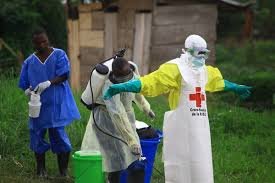
The agency said healthcare workers, supported by international partners, are working around the clock to identify suspected cases, isolate infected individuals, and strengthen infection prevention measures in affected communities.
Ebola is a severe and often fatal viral illness that spreads through direct contact with the bodily fluids of infected persons or contaminated materials. Symptoms typically include fever, severe headache, muscle pain, weakness, vomiting, diarrhea, and, in some cases, internal and external bleeding.
The WHO urged communities to remain vigilant, report suspected cases promptly, and adhere to public health guidelines designed to curb the spread of the virus. It also emphasized the importance of safe burial practices and community engagement in controlling outbreaks.
Health experts have warned that while significant progress has been made in developing vaccines and treatments for Ebola, rapid detection and coordinated emergency responses remain critical to preventing widespread transmission.
The organization reaffirmed its commitment to supporting the governments of the DRC and Uganda through technical expertise, medical supplies, and coordination with humanitarian partners to bring the outbreaks under control.
Public health officials continue to encourage neighboring countries to strengthen border surveillance and emergency preparedness as part of broader regional efforts to reduce the risk of cross-border transmission.