


The opposition’s strategy to unite behind a single presidential candidate to challenge President Bola Ahmed Tinubu in the 2027 general election seems to be losing traction. Key opposition parties and influential political figures are taking divergent stances on the proposed plan.

While the Tanimu Turaki (SAN)-led faction of the Peoples Democratic Party (PDP) indicates that a consensus presidential candidate is still being considered, the Nyesom Wike-backed faction has rejected any alliance, stating the PDP will enter the election with its own slate of candidates.
This disagreement persists despite an earlier resolution at an opposition summit in Ibadan, Oyo State, on April 25. Leaders from several political parties had agreed to collaborate for the 2027 elections and considered presenting a united front against the ruling All Progressives Congress (APC).
The summit’s communiqué was endorsed by political figures such as former Senate President David Mark from the African Democratic Congress (ADC), Tanimu Turaki (SAN) of the PDP, Hakeem Baba-Ahmed of the Peoples Redemption Party (PRP), and other notable party leaders.
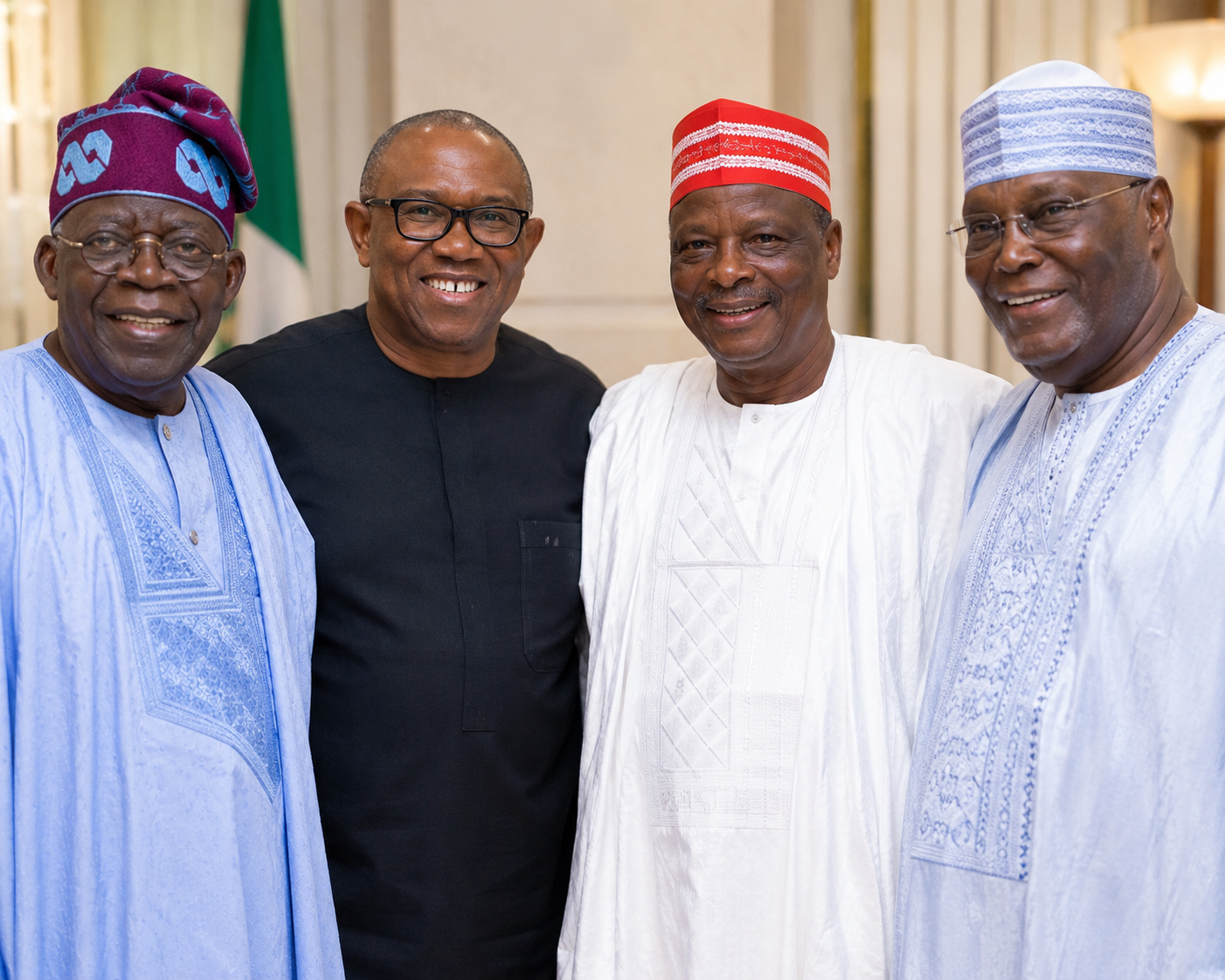
Attendance at the summit included prominent opposition figures like former Vice President Atiku Abubakar, Oyo State Governor Seyi Makinde, Peter Obi, former Kano State Governor Rabiu Musa Kwankwaso, and several others.
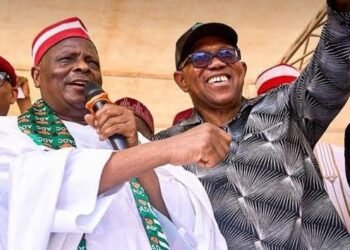
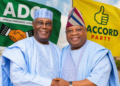
However, nearly three months after the summit, the unity effort seems to have dissipated. Many of these political leaders have emerged as candidates on different party platforms. Atiku Abubakar and Rotimi Amaechi are now presidential and vice-presidential candidates for the ADC, while Governor Seyi Makinde is representing the APM. Meanwhile, Peter Obi and Rabiu Musa Kwankwaso have become presidential and vice-presidential candidates under the Nigeria Democratic Congress (NDC).
Following the May 30 deadline set by the Independent National Electoral Commission (INEC) for party primaries, opposition parties completed their nominations and submitted their candidates’ names.
Ini Ememobong, National Publicity Secretary of the Turaki-led Interim National Working Committee of the PDP, expressed that a consensus candidate remains a feasible option and stressed that no single opposition party could defeat the APC on its own. He reiterated that discussions to enhance cooperation among parties are ongoing and remain vital for offering Nigerians a credible alternative in 2027.
On the contrary, the Wike-backed PDP faction dismissed any prospect of an alliance. The faction’s National Publicity Secretary, Jungudo Mohammed, emphasized that PDP would run independently with their own candidates, focusing on rebuilding the party and preparing for victory in the 2027 elections.
Meanwhile, the ruling APC dismissed the opposition’s coalition efforts. They argue that regardless of whether a consensus candidate or multiple candidates emerge, President Bola Tinubu remains in a strong position for re-election in 2027.
These conflicting positions highlight the increasing challenges facing coalition politics in Nigeria. Political analysts view the inability of opposition leaders to unify as a significant hurdle.