






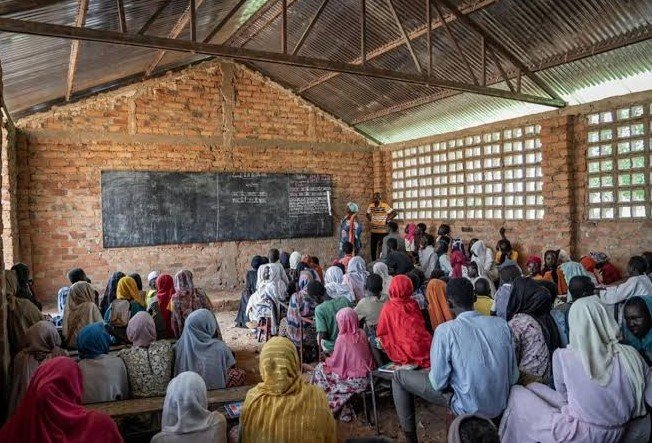
Children are gradually returning to classrooms in parts of Khartoum, as improved security permits some families to make their way back to Sudan’s war-torn capital. However, for many students, resuming school is merely the first step in reconstructing lives disrupted by over three years of conflict. Numerous schools across Khartoum have been damaged or destroyed during the fighting. Those that have reopened are grappling with overcrowded classrooms, insufficient learning materials, and a lack of qualified teachers.
School principal Itimad Algizouli notes that enrollment remains below pre-war levels because many children are still displaced within Sudan or have settled in neighboring countries. Teachers are striving to support students both academically and psychologically as they cope with the aftermath of the conflict.
The disruption has left significant educational gaps for many children, while educators face pressure to help students catch up in a short timeframe. Mohamed Elyas, a teacher, highlights the challenging task schools and parents face in addressing years of missed education alongside damaged infrastructure and financial constraints. He emphasizes the need for psychological and social support to help students regain confidence and interest in learning.
For families returning to Khartoum after years away, sending children back to school can be a costly endeavor. Parents must manage transportation, uniforms, books, and other school-related expenses, all while many households struggle to restore their finances. Manal Ali, a parent who faced repeated displacement during the conflict, decided to bring her family back to Khartoum to provide her children with a better future despite financial hardships.
Sudan’s conflict began in April 2023 when fighting broke out between the Sudanese Armed Forces and the paramilitary Rapid Support Forces. The war has resulted in tens of thousands of deaths and displaced millions, creating one of the world’s largest displacement crises.
The education sector has been severely affected. Nearly eight million children have been left out of school, and numerous educational facilities have been damaged, destroyed, or repurposed as shelters for displaced individuals.
As authorities work to restart the academic year, restoring schools will require more than just repairing buildings. Sudan will need educators, learning materials, and ongoing psychological support for children who have lived through years of conflict.
For families returning to Khartoum, the reopening of classrooms offers a small yet significant sign of hope—a chance for children to begin rebuilding the future disrupted by conflict.