






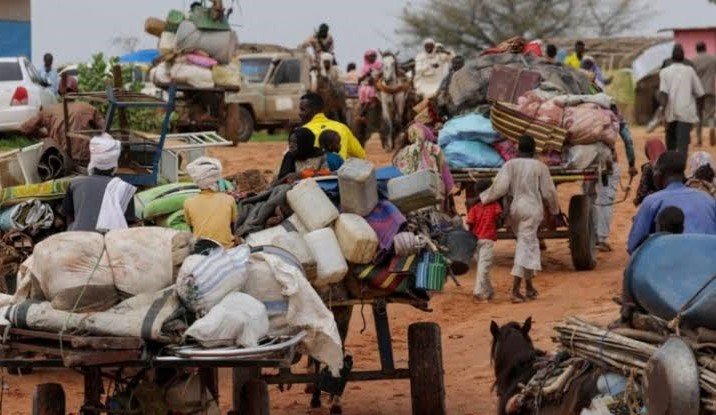
Mali was hosting 322,584 refugees and asylum seekers as of September 30, 2026, alongside more than 414,000 internally displaced people, highlighting the growing humanitarian pressure facing the West African country.
Figures presented by the Malian delegation at the United Nations refugee agency’s Executive Committee meeting in Geneva also showed that 90,648 people had returned to Mali, while 343,091 Malians remained refugees abroad.
The number of refugees and asylum seekers hosted in Mali increased by 5,396 compared with August, while the number of Malians living as refugees in other countries rose by 4,722.
Central Sahel Faces Worsening Displacement
The figures reflect a wider humanitarian emergency across the Central Sahel, where Burkina Faso, Mali and Niger are collectively dealing with nearly four million displaced people.
The United Nations High Commissioner for Refugees (UNHCR) has warned that continuing insecurity, attacks affecting civilians, climate-related shocks and shortages of humanitarian funding are worsening conditions for displaced families.
Many people have been forced to leave their homes in search of safety, while host communities face increasing pressure on housing, healthcare, water supplies and livelihood opportunities.
Koro Hosts Thousands of Burkinabè Refugees
In central Mali, the Koro area in the Bandiagara region was hosting approximately 86,000 refugees from neighbouring Burkina Faso as of July 2026.
The arrival of large numbers of people has placed additional demands on already limited local resources. UNHCR has highlighted concerns over access to land, water, healthcare and economic opportunities, particularly for vulnerable women and children.
The majority of refugees in Mali originate from neighbouring countries, especially Burkina Faso and Niger.
Government Highlights Return and Reintegration Efforts
Malian authorities have highlighted measures to support voluntary repatriation, provide protection for refugees and help returning citizens rebuild their lives.
The country has also taken steps to address statelessness through legislation and the establishment of a specialised national commission.
However, the scale of displacement continues to pose a significant challenge, particularly as Mali is managing both people arriving from neighbouring countries and its own citizens displaced by insecurity.
Humanitarian Support Remains Critical
UNHCR has called for increased investment in protection and long-term solutions across the Central Sahel. Humanitarian organisations face the challenge of meeting immediate needs while helping displaced people access education, healthcare, shelter and sustainable livelihoods.
The latest figures underline the need for continued regional cooperation and support for refugees, internally displaced people, returnees and the communities hosting them.