







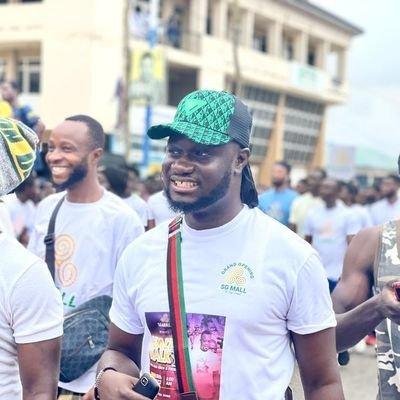
The reported disappearance of Nigeria Democratic Congress (NDC) mobiliser Rilwan Olawale has triggered calls for transparency, raising fresh questions about political freedom and citizens’ participation ahead of the 2027 general elections.
Concerns have emerged over the whereabouts of Rilwan Olawale, a political mobiliser associated with the Nigeria Democratic Congress (NDC), following reports that armed men identifying themselves as Department of State Services (DSS) operatives took him from his Lagos residence in the early hours of Sunday, October 25.
The circumstances surrounding the incident remain unclear. Reports reviewed have not independently established the identities of the men involved, whether Olawale is in official custody or the reason for his reported disappearance.
The incident has attracted attention from opposition politicians and supporters, who are demanding clarification from the relevant authorities.
NDC Seeks Answers Over Olawale’s Whereabouts
Funso Doherty, the NDC’s governorship candidate in Lagos State, said the party was working with Olawale’s family and legal counsel to establish what happened and gain access to him.
Doherty urged the public to remain calm and avoid speculation while efforts to establish the facts continued.
He also called for Olawale’s rights to be respected and for the circumstances surrounding the reported incident to be clarified.
As of the reports reviewed, the DSS and the Nigeria Police Force had not publicly confirmed that Olawale was in their custody.
Peter Obi Demands Release and Transparency
The NDC’s presidential candidate, Peter Obi, called for Olawale’s release in a statement issued on Monday, October 26.
Obi expressed concern over what he described as the harassment and intimidation of his supporters and urged the authorities to respect Nigerians’ freedom to support candidates of their choice.
He maintained that his political movement would continue to pursue its objectives through peaceful and lawful means.
Obi also criticised the wider implications of alleged intimidation of opposition supporters, arguing that political participation should not expose citizens to fear or arbitrary treatment.
His comments have added to calls for the authorities to establish Olawale’s whereabouts and clarify whether any lawful action was taken against him.
What the Case Means for Political Freedom
The reported incident has renewed debate about the protection of political freedoms ahead of Nigeria’s 2027 elections.
The Nigerian Constitution protects fundamental rights, including freedom of expression, peaceful assembly and association, subject to limitations permitted by law.
These protections allow citizens to express political opinions, participate in lawful campaigns and associate with political parties of their choice.
However, political affiliation alone does not establish why a reported arrest or disappearance occurred. Equally, any security operation must have a lawful basis, and allegations of wrongdoing should be handled through due process.
If Olawale is in official custody, clear information about his whereabouts, the legal basis for his detention and access to legal counsel would help establish the facts.
If the DSS was not involved, a prompt official clarification would also help address the uncertainty surrounding the incident.
Could the Incident Affect Political Participation?
The circumstances surrounding Olawale’s reported disappearance have implications beyond the immediate concerns of his family and supporters.
Political participation depends not only on the ability to vote but also on citizens feeling safe enough to campaign, attend rallies, organise meetings and express their views peacefully.
If political supporters believe that participating in opposition activities could expose them to unexplained detention, some may become reluctant to engage publicly.
Such a chilling effect could discourage participation even without any formal restriction on political activity.
However, whether this particular incident reflects a wider pattern of politically motivated action cannot be established from the available evidence alone.
Transparency Needed Ahead of 2027
With political parties preparing for the next general elections, the handling of incidents involving opposition supporters will be important in shaping public confidence in the electoral process.
Security agencies have a responsibility to enforce the law, while citizens are entitled to the protection of their constitutional rights. Both responsibilities can be upheld through lawful procedures, transparency and accountability.
For Olawale’s family, supporters and legal representatives, the immediate priority remains establishing his whereabouts and welfare.
Until verifiable information emerges, the circumstances of his reported disappearance remain unresolved.
The immediate questions are straightforward: Where is Rilwan Olawale, was he taken into official custody, and what is the legal basis for any detention? Clear answers would help reduce speculation and strengthen public confidence ahead of the 2027 elections.