






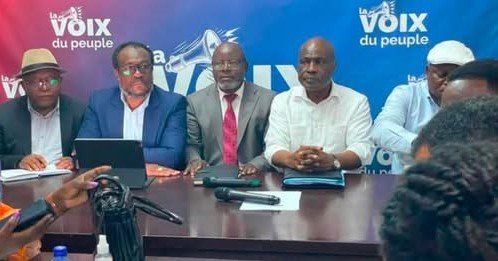
The Democratic Republic of Congo’s opposition has rejected President Félix Tshisekedi’s proposal for a national dialogue, raising fresh concerns about the country’s political tensions.
The opposition’s decision comes amid continuing disagreements over the direction of the country and how its political and security challenges should be addressed.
President Tshisekedi has presented national dialogue as a possible avenue for bringing different political groups together and finding solutions to the challenges facing the DRC. However, opposition figures have expressed reservations about the initiative and questioned whether the proposed process would produce meaningful political change.
The rejection could further complicate efforts to build consensus among the country’s major political actors. The DRC has faced significant political and security pressures, making cooperation between the government and opposition increasingly important.
Opposition leaders maintain that any genuine dialogue must be inclusive and address the issues they consider central to the country’s political crisis.
With the government and opposition still divided over the proposed talks, attention will now turn to whether President Tshisekedi can persuade opposition groups to reconsider their position.
The development adds another layer to the political uncertainty in the DRC as authorities seek ways to promote stability and address the country’s wider challenges.