


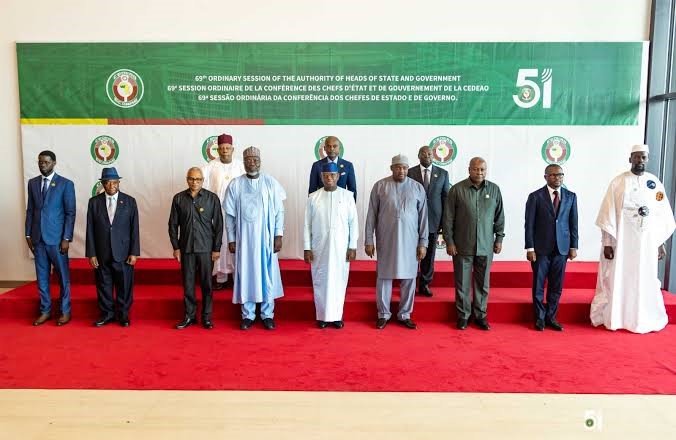
The Economic Community of West African States (ECOWAS) has reaffirmed its commitment to introducing a single regional currency by 2027, describing the initiative as a major step toward strengthening economic integration and boosting trade among member states.

Regional leaders said the proposed common currency is expected to facilitate cross-border commerce, reduce transaction costs, and promote greater monetary and financial cooperation across West Africa. The initiative forms part of ECOWAS’ long-term vision of creating a more integrated and competitive regional economy.
Officials acknowledged that achieving the 2027 target will require member states to meet agreed macroeconomic convergence criteria, including maintaining fiscal discipline, controlling inflation, ensuring sustainable public debt levels, and improving economic stability.
The planned currency, widely known as the Eco, has faced several postponements over the years due to economic disparities among member countries, differing monetary policies, and the impact of global economic shocks.
Despite these challenges, ECOWAS leaders expressed optimism that renewed political commitment and stronger collaboration among member states would help accelerate preparations for the currency’s eventual rollout.
Economists believe a successful single currency could enhance regional investment, simplify cross-border payments, and strengthen West Africa’s position in global trade. However, they also caution that careful coordination of monetary and fiscal policies will be essential to ensure the long-term stability of the common currency.
The reaffirmation comes as ECOWAS continues to pursue broader regional integration initiatives, including the free movement of people and goods, infrastructure development, and efforts to deepen economic cooperation among its member states.
As the 2027 target approaches, governments, financial institutions, and businesses across the region are expected to intensify preparations for what could become one of the most significant economic reforms in West Africa’s history.