






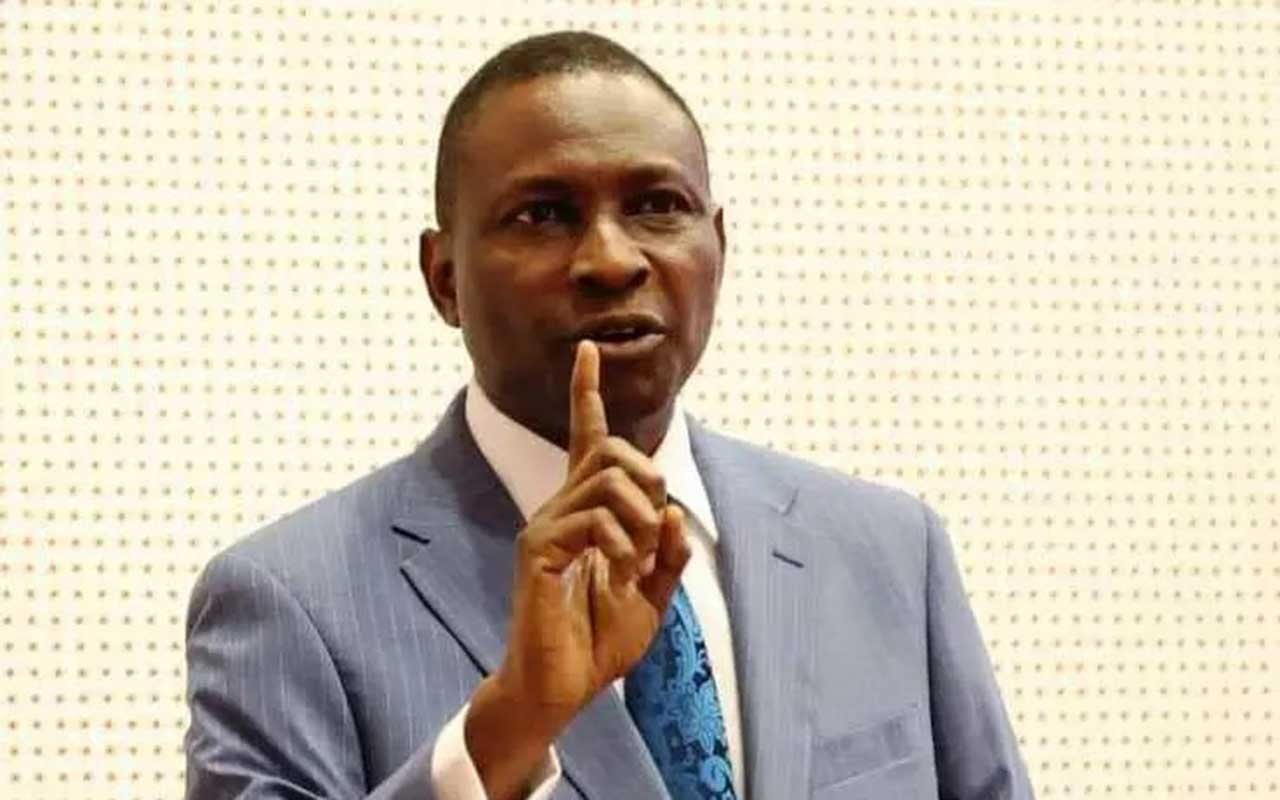
The Economic and Financial Crimes Commission (EFCC) ordered a Post No Bill on the Osun State Government account at First Bank, citing suspicious transactions. The commission claimed to have been investigating the account since March 2026, stating it could freeze an account for 72 hours under reasonable suspicion.
However, the President intervened on Thursday, instructing the EFCC to unfreeze the account, calling their action embarrassing. The EFCC’s explanation of its actions received over 4,500 comments on the social media platform X, mainly criticizing the move just 10 days before the governorship election. Similarly, a tweet by the President’s Special Adviser, Bayo Onanuga, announcing the reversal attracted over 1,600 comments, with many criticizing both Tinubu and the EFCC.
Accord Party’s National Chairman, Maxwell Mgbudem, expressed the party’s loss of confidence in the EFCC’s leadership, accusing the action of being politically motivated. At a press conference in Abuja on Friday, Mgbudem called for the EFCC chairman, Olukoyede, to resign, citing partisanship and damage to Nigeria’s reputation internationally. He insisted that no one should be above scrutiny in cleansing the anti-corruption agency and reinforcing the country’s democracy.
READ ALSO: Osun Commissioner Denies Alleged ₦11bn Looting, Replies EFCC
The party also urged security agencies and other bodies involved in the Osun election to remain impartial and lawful. Speaking on Saturday, NNPP Chairman Major Agbo supported calls for Olukoyede’s resignation, criticizing the presidential order as undermining the EFCC’s independence. Agbo expressed surprise at the President’s intervention, suggesting that he should have allowed the EFCC to complete its investigation despite timing concerns.
Obidient Movement Worldwide’s National Coordinator, Dr. Yunusa Tanko, advised Olukoyede to consider resigning to preserve his integrity. Tanko suggested that Tinubu’s directive cast the EFCC chairman as politically influenced. He noted that while Olukoyede seemed to assert his independence, intervention from higher authorities portrayed him as a puppet, pointing to a problem with those issuing directives rather than those carrying them out.