






Ethiopia could be heading towards a major transformation of its political system after a national dialogue backed a proposal to replace the current parliamentary arrangement with a powerful executive presidency.
More than 4,000 delegates participated in the weeks-long dialogue, which concluded on August 22 after discussions focused on the country’s political divisions, ethnic tensions, security challenges and governance.
The proposal would combine the responsibilities currently held by the prime minister and the largely ceremonial president in a single executive office.
The recommendations could be placed before Ethiopia’s parliament when lawmakers return in October.
Could Abiy Become Executive President?
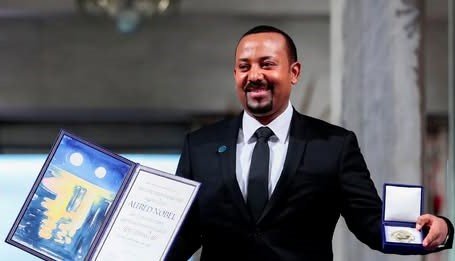
Although Prime Minister Abiy Ahmed did not attend the dialogue, the proposed reform has immediately triggered speculation about his political future.
With Abiy’s ruling party dominating parliament following its landslide victory in the June election, critics fear that the proposed system could create a powerful presidency that would further strengthen his control over the country’s political institutions.
Under the proposed arrangement, the president would be selected by parliament rather than through a direct nationwide election.
Supporters of the plan argue that an executive president could provide stronger national leadership and represent Ethiopia as a whole rather than being associated with a particular regional constituency.
But opponents see a different possibility.
Political analyst Befekadu Hailu warned that the proposed structure could allow power to become concentrated around a single individual, drawing comparisons with Turkey’s transition to an executive presidency under Recep Tayyip Erdogan.
Opposition Parties Question the Dialogue
The political debate is taking place while Ethiopia continues to face serious security problems.
Armed conflicts and insurgencies remain active in parts of Oromia and Amhara, while concerns persist about the possibility of renewed fighting in Tigray following the devastating 2020–2022 conflict.
Several major opposition parties boycotted the national dialogue, while armed groups were not included in the process.
Merera Gudina, chairman of the Caucus of Opposition Parties, questioned whether the dialogue could deliver the peace and democratic reforms Ethiopia needs.
Peace-building expert Naga Tesfaye similarly argued that lasting progress would require discussions involving the government, opposition forces and armed groups.
Addis Ababa Remains a Sensitive Issue
The question of Addis Ababa also exposed the depth of Ethiopia’s internal disagreements.
The capital has its own constitutional status but is surrounded by Oromia, which has longstanding claims over the city and surrounding areas.
Debate over the issue became so contentious that some delegates reportedly left the proceedings.
The dispute reflects wider disagreements over ethnicity, regional autonomy and the future structure of the Ethiopian federation.
A Political Turning Point
The executive presidency proposal now moves the debate from the national dialogue to parliament.
If lawmakers approve the recommendations and the constitutional changes eventually take effect, Ethiopia’s political system could undergo one of its most significant transformations in decades.
For supporters, the reform could provide stronger national leadership and reduce ethnic-based political competition.
For critics, however, the central question is whether the change would strengthen Ethiopia’s institutions or simply place more authority in the hands of the country’s current leadership.
That question is likely to dominate Ethiopia’s political debate as parliament prepares to consider the recommendations.