







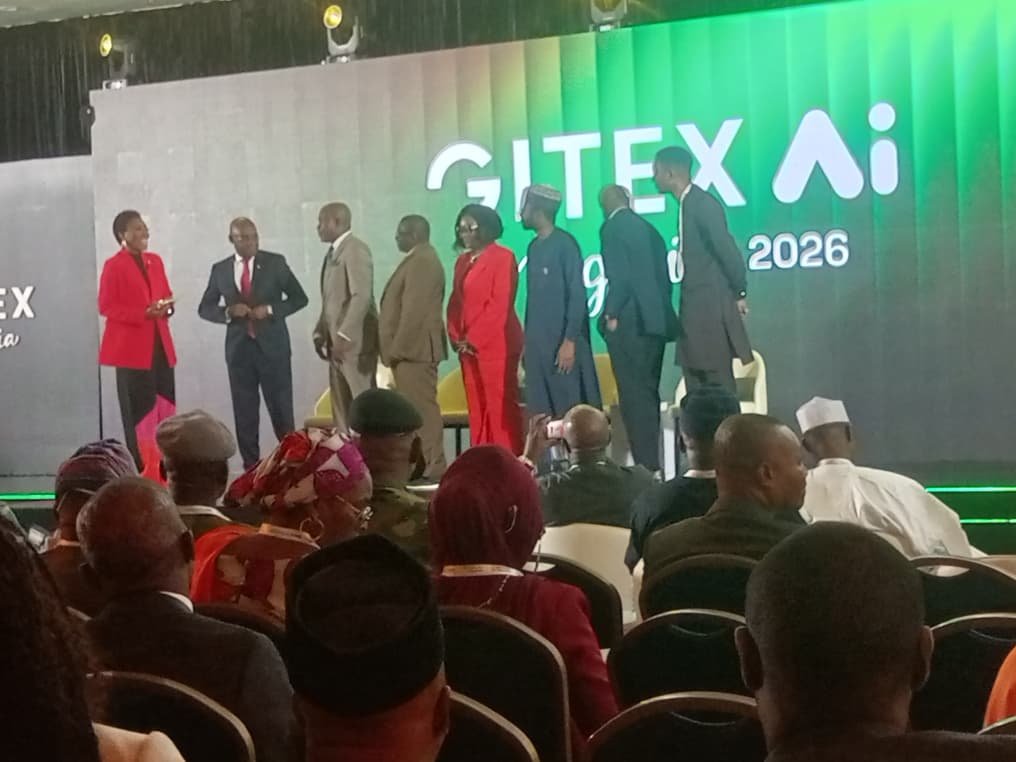
Nigeria’s capital, Abuja, has become a meeting point for technology leaders, investors, policymakers and digital innovators as the second edition of GITEX Nigeria 2026 gets underway.
The four-day technology gathering is placing Artificial Intelligence, digital infrastructure and innovation at the centre of discussions about Africa’s economic future.
But unlike conversations that focus mainly on internet access and connectivity, this year’s discussions are examining a bigger question: Can African countries develop enough technology, talent and infrastructure to have greater control over their digital future?
That question is central to the Government Leadership and AI Summit, which is being held under the theme, “Beyond Connectivity: The Bridge to Sovereign AI and Innovation.”
Moving Beyond Being Technology Consumers
As AI becomes increasingly embedded in government, business, education and everyday services, countries around the world are paying closer attention to issues such as data ownership, computing infrastructure, cybersecurity and technological independence.
Nigeria is seeking to position itself as more than a consumer of technologies developed abroad.
Government officials and technology stakeholders at GITEX Nigeria are examining ways to strengthen local capacity so that Nigerian companies, researchers and entrepreneurs can participate in developing the technologies shaping the next phase of the digital economy.
The Director-General of the National Information Technology Development Agency, NITDA, Kashifu Inuwa Abdullahi, is among the government officials participating in the discussions.
Building the Digital Foundation
One of the major issues being highlighted is connectivity.
Through Project BRIDGE, Nigeria plans to expand broadband infrastructure with the deployment of approximately 90,000 kilometres of open-access fibre across the country.
The government is also strengthening the country’s digital identity infrastructure.
Data from the National Identity Management Commission indicates that more than 127 million National Identification Numbers had been issued as of December 2025.
Digital identity, broadband connectivity and stronger cloud infrastructure are increasingly being viewed as essential building blocks for a modern digital economy.
Africa’s AI Ambition Depends on People
Infrastructure alone, however, will not create technological independence.
Nigeria also needs engineers, programmers, researchers, entrepreneurs and other professionals capable of designing and deploying advanced digital systems.
That is why skills development is another important part of the conversation at GITEX Nigeria 2026.
Training programmes and technology initiatives are being developed to equip young Nigerians with skills that can help them build digital products, launch businesses and create solutions based on emerging technologies.
AI Raises New Questions
The rapid development of AI is also creating difficult questions for governments and businesses.
As increasingly advanced AI systems become capable of performing complex tasks with limited human intervention, concerns about safety, transparency, accountability and decision-making are becoming more important.
African countries will therefore need policies that encourage innovation while also ensuring that AI is developed and deployed responsibly.
A Continental Opportunity
The challenge extends beyond Nigeria.
African countries have an opportunity to collaborate on technology, share expertise and develop systems that address the continent’s unique economic and social needs.
That will require sustained investment in broadband, data centres, cloud computing, digital skills and research.
GITEX Nigeria 2026 offers an important platform for those conversations.
For Nigeria and the wider continent, the objective is gradually shifting from simply asking how many people are connected to asking a much more strategic question: What can Africa create, own and control in the digital and AI era?
NTA