






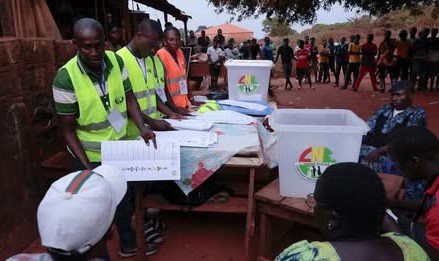
Ballot counting is underway in Guinea-Bissau following a constitutional referendum that could significantly change how political power is exercised in the West African country.
Polling stations closed at 5:00 p.m. local time on Sunday, with election officials saying voter participation had surpassed 55 percent. The first provisional results are expected on Tuesday.
The referendum is being held under a military-led transitional administration that took control of the country less than a year ago following a coup.
Security was noticeably increased around strategic locations in the capital, with police and national guard personnel deployed to maintain order.
According to the National Electoral Commission, voting generally proceeded peacefully, with no major incidents reported that could undermine the credibility of the process.
The referendum asks citizens whether they approve a proposed new constitution endorsed by the National Transitional Council.
Proposed changes to government
One of the biggest changes under consideration is the move from Guinea-Bissau’s current parliamentary arrangement to a presidential system.
Under the proposed constitution, the president would have greater authority, including the power to appoint and remove the prime minister and members of government. The president would also have powers to dissolve parliament.
Supporters of the proposal argue that the changes could reduce political instability and create clearer lines of authority within government.
The military leadership has presented the constitutional reform as part of its plan to establish more stable institutions before civilian rule is restored.
Opposition raises concerns
The referendum has also generated controversy. Opposition groups have called for a boycott, citing concerns over restrictions on political freedoms and the circumstances under which the vote is taking place.
Transitional President General Horta N’Tam, who is not permitted under the transitional charter to contest the coming election, encouraged citizens, particularly young people, to participate.
He said the objective was to ensure that whoever wins the next election can complete their term without the political disruptions that have repeatedly affected the country.
Guinea-Bissau is scheduled to hold presidential and parliamentary elections on December 6 as part of the process of returning the country to civilian government.
The country has struggled with repeated political crises and military interventions since gaining independence from Portugal.
As officials begin counting the referendum ballots, attention will now turn to whether voters have endorsed the proposed constitutional changes and what the outcome could mean for Guinea-Bissau’s political future.
#GuineaBissau #GuineaBissauReferendum #AfricaNews #WestAfrica #Politics #Democracy #ConstitutionalReform #AfricanPolitics #ElectionNews #CivilianRule