






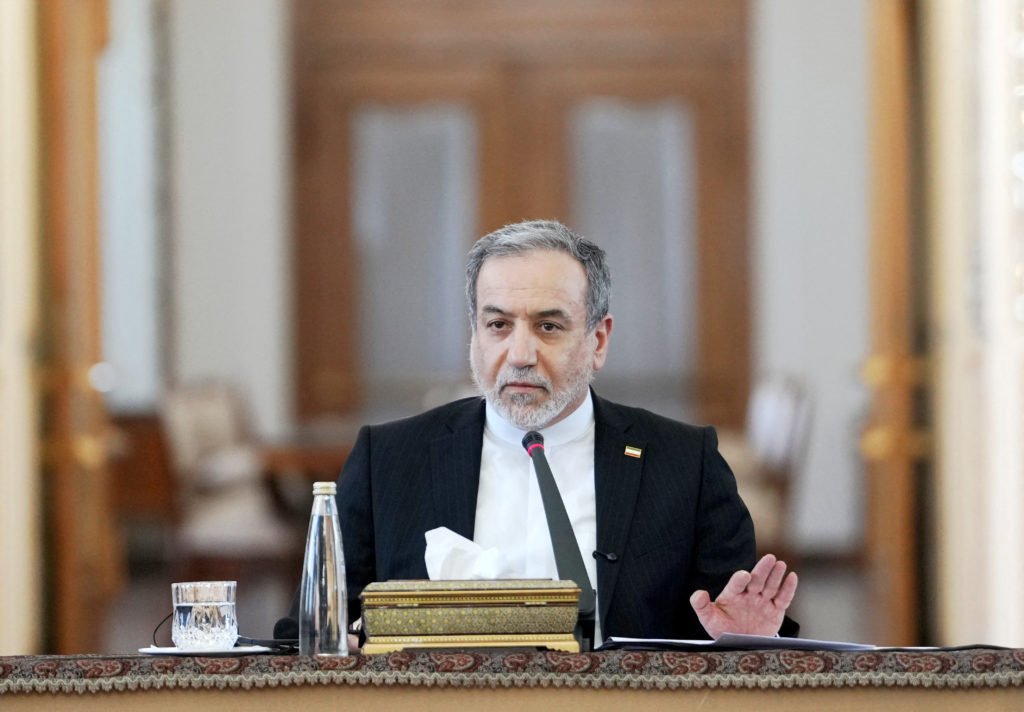
Iran has said it is “fully prepared” to counter expanded US economic sanctions, as Washington intensifies pressure on Tehran and threatens to isolate countries and businesses that continue to maintain financial ties with Iran.
Iranian Economy Minister Ali Madanizadeh said the government had prepared a two-year economic plan to manage the impact of the latest US measures.
“The government is and was ready and has a two-year plan to manage these events,” Madanizadeh said, adding that Tehran had been preparing for such measures for a long time.
US Expands Economic Pressure
The latest US measures were announced by Treasury Secretary Scott Bessent, who described the campaign as a major financial offensive against Iran.
Washington has targeted Iran-linked networks and entities connected to sectors including digital assets, technology, gold, aviation and shipping. The United States has also warned countries and companies that continue doing significant business with Tehran that they could face consequences under the expanded sanctions regime.
The measures are part of a broader US strategy aimed at restricting Iran’s access to international financial networks and reducing revenue from oil and other economic activities.
Tehran Vows to Withstand Sanctions
Iranian officials have rejected the US pressure and insist that the country has experience dealing with extensive sanctions.
Iran’s Central Bank Governor Abdolnaser Hemmati said Tehran had already prepared for the possibility that exports could be severely restricted.
He argued that Iran had survived previous US “maximum pressure” measures and would seek to withstand the latest economic offensive as well.
Madanizadeh also suggested that Iran could rely on existing relationships with countries such as China and Russia to reduce the impact of Washington’s measures.
China and Global Trade in Focus
China’s role is particularly important because it remains a major buyer of Iranian oil. Washington’s expanded sanctions campaign is therefore likely to place greater pressure on companies and financial institutions involved in Iran-related trade.
China has criticised unilateral US sanctions and indicated that it will take measures to protect its economic interests.
Analysts say the effectiveness of the new sanctions will depend partly on how successfully Washington can persuade major trading partners and financial institutions to comply.
Economic Pressure Adds to Regional Tensions
The sanctions come amid wider tensions between Iran and the United States, including disruption around the strategically important Strait of Hormuz, a major route for global energy supplies.
Iran has warned that continued pressure could provoke further retaliation, while US officials have continued to increase economic pressure on Tehran.
For ordinary Iranians, however, the prolonged confrontation is adding to existing economic difficulties, including inflation, weaker purchasing power and uncertainty over employment and living costs.
The latest confrontation therefore represents another significant escalation in the long-running US-Iran dispute, with both sides showing little willingness to back down. Whether Iran’s economic resilience strategy can withstand the expanded sanctions—and whether Washington’s campaign can force Tehran to change course—remains uncertain.