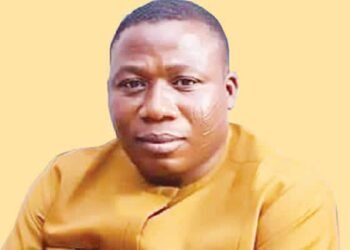



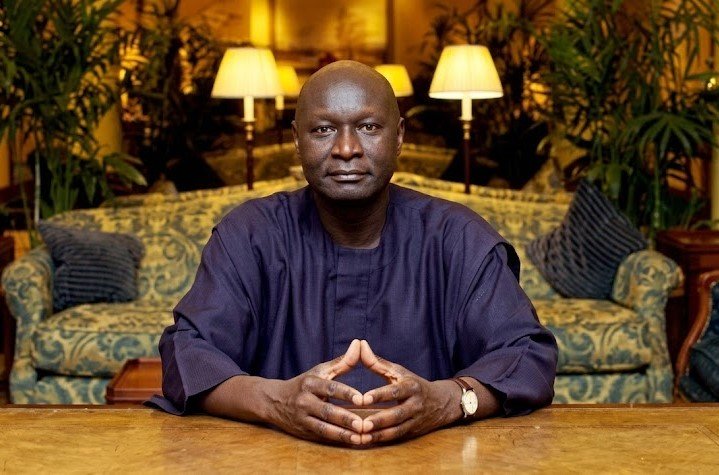
Veteran Ugandan diplomat and former United Nations official Dr. Olara Otunnu has entered the race for the position of Secretary-General of the United Nations, emerging as a prominent African candidate for this prestigious role.

Otunnu, a distinguished international diplomat with extensive experience in global governance, conflict resolution, and humanitarian affairs, announced his candidacy as preparations begin for selecting a successor to the current Secretary-General at the end of the term.
Over his illustrious career, Otunnu has held several significant international roles, including Uganda’s Permanent Representative to the United Nations and United Nations Under-Secretary-General and Special Representative for Children and Armed Conflict. In these capacities, he earned international acclaim for his advocacy for the rights of children affected by conflict and his efforts to combat the recruitment of child soldiers.
His campaign is anticipated to emphasize strengthening multilateral cooperation, promoting international peace and security, addressing climate change, advancing sustainable development, and reforming the UN to enhance transparency, effectiveness, and responsiveness to new global challenges.
Upon announcing his candidacy, Otunnu highlighted the necessity for a more united international community capable of addressing conflicts, humanitarian crises, economic instability, and escalating geopolitical tensions.
Political analysts suggest his comprehensive diplomatic experience and profound understanding of the United Nations system could position him as a formidable contender as member states deliberate on candidates to guide the organization through an increasingly intricate global landscape.
The selection process for the new UN Secretary-General involves consultations among the 193 member states, with the United Nations Security Council expected to recommend a candidate before the UN General Assembly finalizes the appointment.
Should he succeed, Otunnu would be among the few Africans to lead the United Nations, a prospect believed by many analysts to underscore Africa’s increasing influence in global diplomacy.
His candidacy is likely to intensify discussions regarding the future leadership of the United Nations as countries evaluate the experience, vision, and diplomatic credentials of potential candidates ahead of the formal selection process.