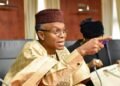



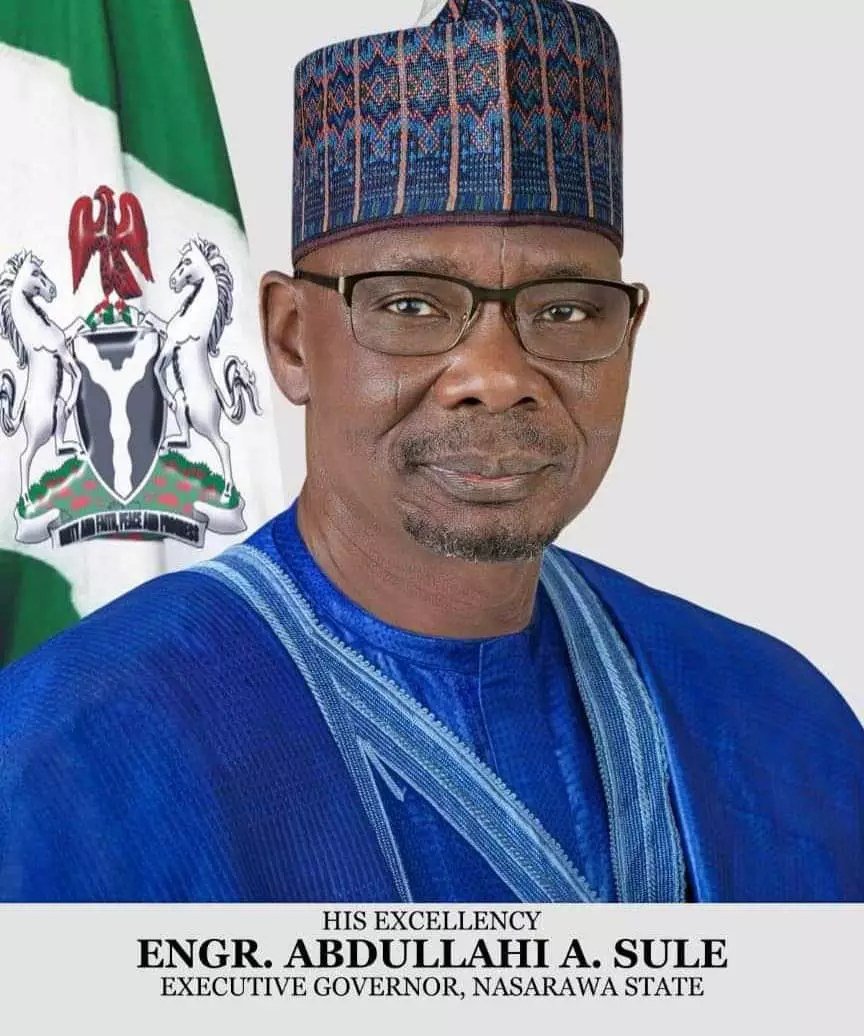
Nasarawa State Governor Abdullahi Sule has expressed confidence that a Christian-Christian presidential ticket will one day emerge victorious in Nigeria, arguing that the country’s electorate is becoming increasingly focused on competence and leadership rather than religious identity.

Speaking at a public event, the governor said Nigerians are gradually embracing issue-based politics, adding that the success or failure of candidates should be determined by their ability to govern effectively and deliver democratic dividends.
According to Sule, while religion has often played a significant role in Nigeria’s electoral politics, the nation’s democracy is evolving, and future elections could produce outcomes that defy traditional political expectations.
“A Christian-Christian ticket will win Nigeria’s presidency one day,” the governor said, noting that voters are capable of making decisions based on national interest rather than religious considerations.
The governor emphasized the importance of promoting national unity, religious tolerance, and peaceful coexistence, urging political leaders to avoid exploiting ethnic and religious differences for electoral gain.
His remarks have generated mixed reactions among political observers and the public. While some believe Nigeria is gradually moving toward issue-based politics, others argue that the country’s religious and ethnic diversity will continue to influence electoral calculations for the foreseeable future.
The debate over the role of religion in Nigerian politics gained prominence during the 2023 general election following the All Progressives Congress (APC)’s decision to field a Muslim-Muslim presidential ticket.
Analysts say Sule’s comments are likely to reignite discussions about power-sharing, inclusiveness, and the evolving dynamics of Nigeria’s electoral system as political parties begin positioning themselves ahead of the 2027 general election.
As preparations for future elections gather momentum, questions surrounding religion, ethnicity, competence, and national unity are expected to remain central to Nigeria’s political discourse.