







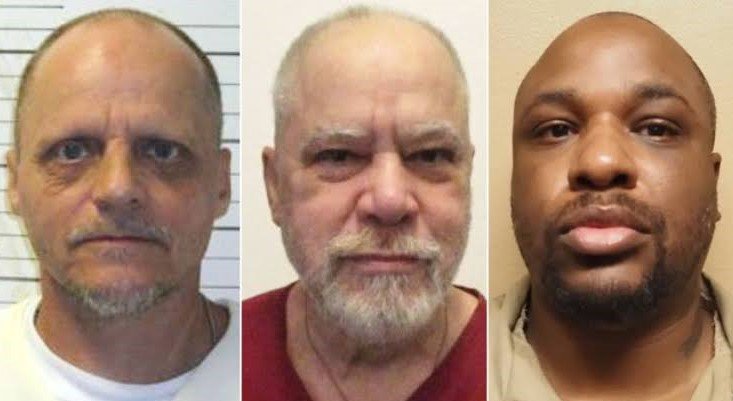
It’s been 16 years since three executions occurred on the same day in the US, yet later this Thursday, three men convicted of murder in different states are set to face the death penalty.
The planned executions of Anthony Darrell Hines, 66, Jeremy Williams, 41, and Carlos Cuesta-Rodriguez, 71, in Tennessee, Alabama, and Oklahoma respectively, reflect a significant rise in executions nationwide.
In 2025, more than four times the number of people were executed compared to 2021, despite growing skepticism toward capital punishment among juries and the American public.
So what’s fueling this increase, and are Americans aligned with it?
The Trump Influence
President Donald Trump has been a staunch advocate of the death penalty, describing it as crucial for deterring and punishing heinous crimes against Americans.
In 2020, during his first term, he ended a nearly 20-year moratorium on federal executions, enacting 13 executions over six months.
While the moratorium was reinstated under President Biden, Trump reintroduced the death penalty through an executive order on the first day of his second term in 2025. However, no federal executions have taken place since then. In the US, executions can be ordered by both federal and state authorities.
Trump’s administration also expanded execution protocols to include methods like firing squads and resumed lethal injections. The Department of Justice announced efforts to streamline processes to expedite death penalty cases.
Trump’s order also urged states to seek the death penalty for any federal crime resulting in the death of a law enforcement officer and instructed the attorney general to ensure states have sufficient drugs for lethal injections.
The true impact of these policies may not be evident for several years, according to Justin Mazzola, deputy director for research at Amnesty International USA, which opposes the death penalty. He noted the lengthy process and appeals involved in such cases.
BBC