






President Bola Tinubu says Nigeria is on track toward his administration’s ambitious goal of a $1 trillion economy by 2030 — even as many citizens continue to feel the pinch of tough economic conditions.
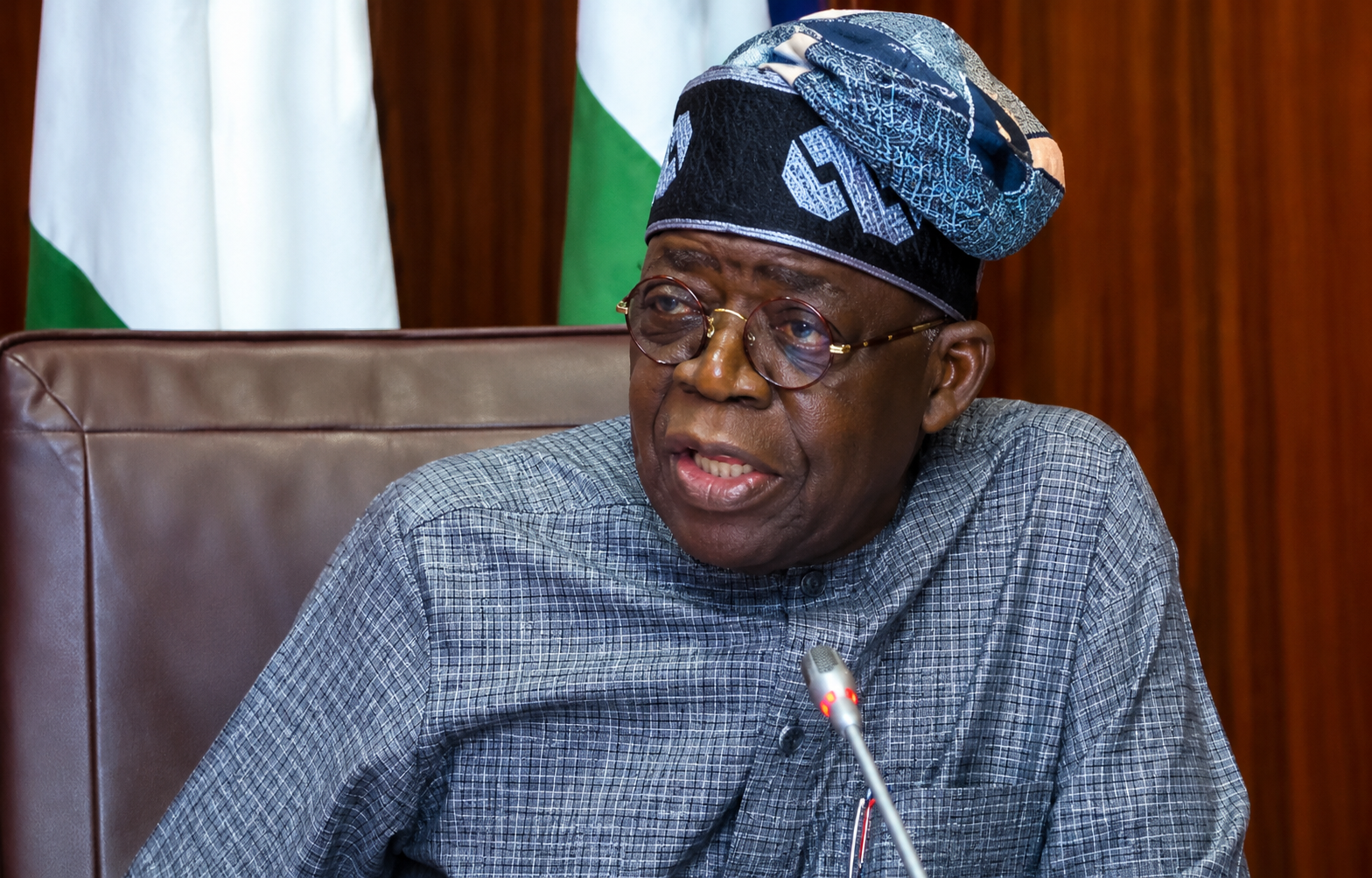
The president made his case on Tuesday at the second edition of the Asiwaju Scorecard Series and Policy Roundtable in Abuja, where he was represented by APC National Chairman, Prof. Nentawe Yilwatda.
Tinubu framed the reforms rolled out since he took office in May 2023 as necessary medicine for structural problems that had weighed down the economy for years. That list includes the removal of the fuel subsidy, an overhaul of the foreign exchange market, tighter revenue collection, and a bigger push into infrastructure spending.
He didn’t shy away from acknowledging what Nigeria was working with at the start: multiple, conflicting exchange rates, dollar shortages, ballooning debt payments, and years of underinvestment in infrastructure. The reforms, he admitted, brought real pain to households and businesses — but he insists they were the price of building something more stable long-term.
READ ALSO: Abati Defends Tinubu’s Foreign Trip, Questions Atiku Camp’s Criticism
To back up the claim, Tinubu pointed to a set of numbers. Gross external reserves have climbed to roughly $52.7 billion as of August 2026. Non-oil revenue has grown from about N13.63 trillion in 2023 to N16.4 trillion in just the first half of 2026. Nigeria’s trade position has also shifted — the country posted a merchandise trade surplus of around N7.54 trillion in the first quarter of 2026 alone, a sharp jump from the roughly N44.8 billion surplus recorded for all of 2023. He also cited real GDP growth of 4.43% in Q2 2026, and inflation easing to about 15.4% from its earlier highs.
Still, Tinubu was careful to temper the good news. He conceded that healthy macro numbers mean little to ordinary Nigerians unless they translate into cheaper food, more jobs, accessible credit, steady power supply, and stronger purchasing power. In his words, that’s the real scorecard that matters.
He described the $1 trillion target as bigger than a number on paper — a symbol of a Nigeria producing more, exporting more, attracting more investment, and creating more jobs. Infrastructure, he said, sits at the center of getting there, with plans to upgrade roads, rail, ports, energy systems, and digital networks under the Renewed Hope Agenda.
One notable proposal: an integrated maritime and logistics corridor linking major deep-sea ports across Lagos, Ondo, Akwa Ibom, Rivers, and Cross River, backed by better road and rail connections. The administration is betting this could unlock Nigeria’s maritime potential and open new doors for trade and investment.