






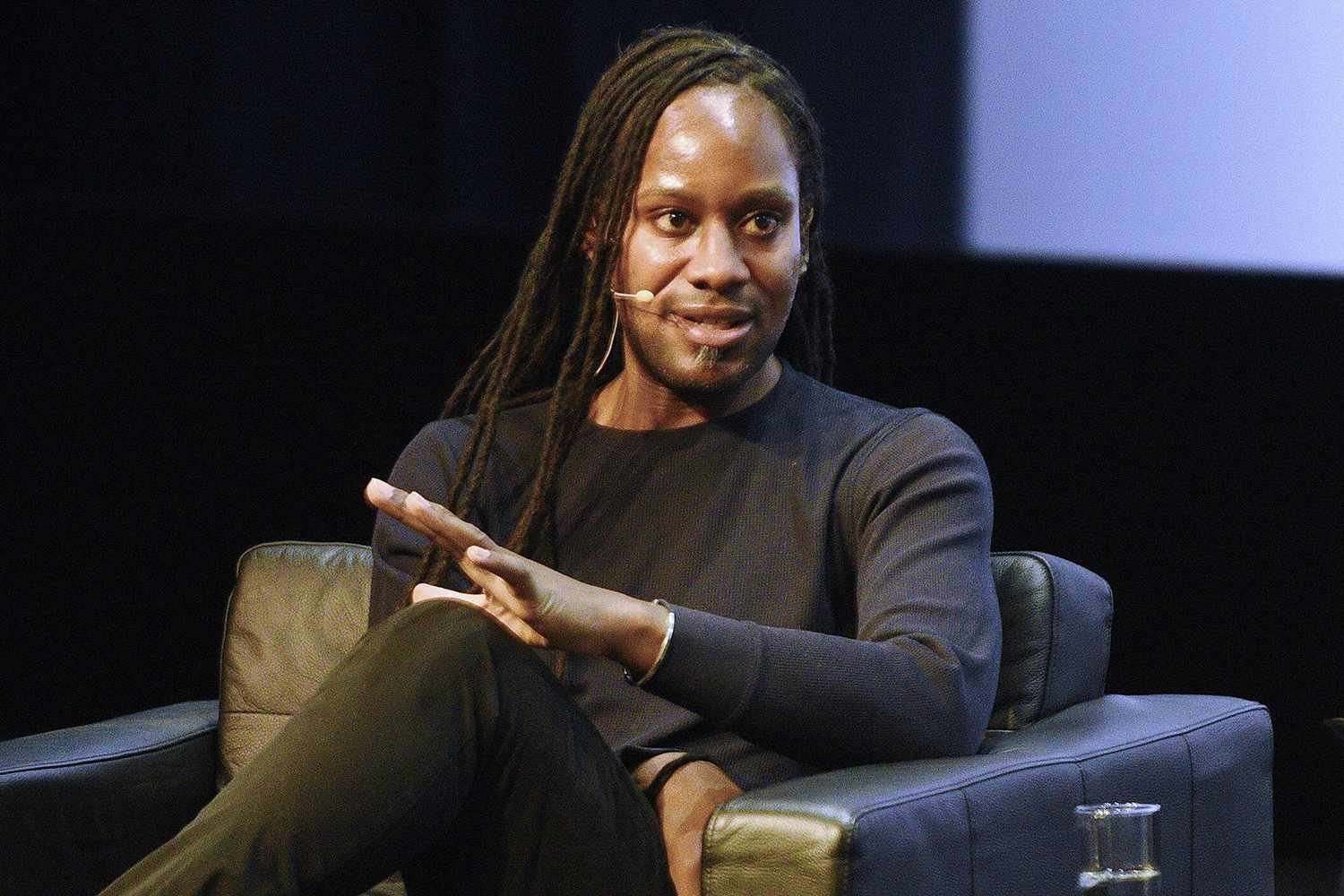
Tributes have been pouring in for British sociologist Jason Arday following his death on Friday, just over a week after he resigned from the University of Cambridge amid intense scrutiny over plagiarism allegations.
London’s Metropolitan Police confirmed that officers responded to a report of a man found unresponsive inside a property in Battersea, south London, at 3:12 p.m. on Friday. He was pronounced dead at the scene. Police say his death is being treated as unexpected but not suspicious, and the case remains under investigation.
In a statement issued through his publisher, Simon & Schuster, Arday’s family said a “campaign of misinformation” had become “too much for Jason… who always wanted to see the best in everyone.” They added that for years he had endured a sustained campaign of abuse from those determined to undermine him.
Cambridge Vice-Chancellor Professor Deborah Prentice, who earlier in the week had announced the university would investigate the circumstances surrounding Arday’s appointment, said she was “desperately saddened” by the news, extending her sympathies to his family and friends.
Arday made history in 2023 when, at 37, he became Cambridge’s youngest-ever Black professor. His appointment drew widespread attention for his personal story of overcoming significant early-life challenges — he was autistic, did not speak until age eleven, and did not learn to read and write until his late teens.
He resigned from his post earlier this month after weeks of mounting media pressure, which included allegations of plagiarism in his doctoral thesis and questions over claims about his athletic and charitable fundraising achievements. Arday denied plagiarism but acknowledged making some mistakes while working on his doctorate.
Supporters described the allegations as a “smear campaign” intended to discredit Arday and other Black academics in positions of influence. Cambridge autism researcher Professor Simon Baron-Cohen told the BBC he had spoken with Arday just hours before his death, saying Arday felt targeted by a sustained campaign and that his life had been upended by weeks of intense media scrutiny.
Jolyon Maugham, founder of the Good Law Project, through whose website Arday’s resignation statement was released, said he was devastated by the news. He accused sections of the media of persecuting the professor, suggesting greater compassion from journalists might have changed the outcome.
Professor Kehinde Andrews, a scholar of Black studies, said he had met with Arday earlier in the week to offer support, and suggested Arday had been targeted because of his race. London Mayor Sadiq Khan also criticized the media coverage, writing on social media that Arday had been the victim of a “pernicious public shaming that other people in his position simply wouldn’t have faced.”
Questions over Arday’s academic record first surfaced publicly last month, raised by Nathan Cofnas, a former Cambridge philosophy researcher who left the university after his critique of diversity, equity and inclusion programs sparked widespread protest. In July, an analysis published by the Times of London examined Arday’s 2015 PhD thesis and identified passages it described as closely mirroring work by another researcher. British media also scrutinized his claims of having raised £5.5 million ($7.4 million) for charity through feats including running 30 marathons in 35 days and 600 miles in six days.
Dozens of Cambridge academics signed a letter calling for an independent inquiry into the circumstances of Arday’s appointment. The university initially defended him, noting the plagiarism allegations had already been investigated by Liverpool John Moores University, which awarded his doctorate. Cambridge later reversed course, opening its own investigation following what it described as new information about Arday’s qualifications and honorary appointments.