






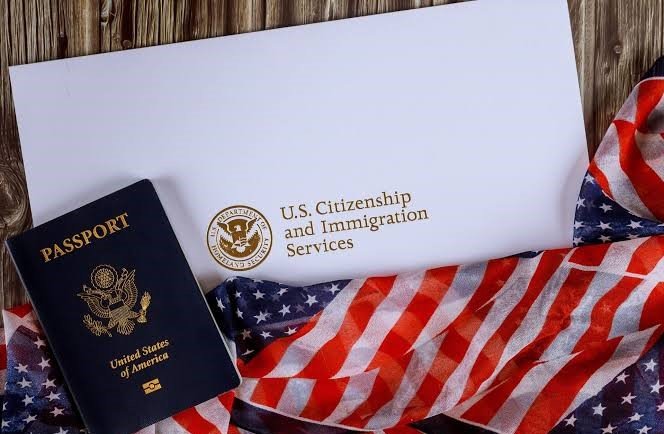
U.S. citizens can petition for certain family members to immigrate to the United States through the country’s family-based immigration system.
Under current U.S. immigration rules, American citizens can file an immigrant visa petition for four main categories of relatives: spouses, sons or daughters, parents, and brothers or sisters.
The family-based immigration programme is designed to allow eligible U.S. citizens to reunite with close relatives and, where the petition is approved and all other requirements are met, help them obtain lawful permanent residence.
The Four Relatives
1. Spouse
A U.S. citizen can petition for their husband or wife through the immediate-relative immigrant visa category. Spouses generally fall under the IR-1 or CR-1 categories, depending on the length of the marriage.
2. Son or Daughter
U.S. citizens can also petition for their children. Unmarried children under the age of 21 of U.S. citizens are classified as immediate relatives, while other sons and daughters may fall under family-preference categories depending on their age and marital status.
3. Parent
A U.S. citizen who is at least 21 years old can petition for a parent to immigrate to the United States under the immediate-relative category.
4. Brother or Sister
U.S. citizens who are at least 21 years old can petition for their brothers and sisters under the fourth family-preference category, commonly known as the F4 category. Unlike immediate-relative visas, sibling petitions are subject to annual numerical limits and can involve lengthy waiting periods.
What About Green Card Holders?
Lawful permanent residents, commonly known as Green Card holders, have more limited family-sponsorship rights. They can generally petition for their spouse and unmarried sons or daughters, but they cannot petition for parents or siblings under the family-based immigrant visa system.
How the Process Works
The process normally begins when the eligible U.S. citizen files Form I-130, Petition for Alien Relative, with U.S. Citizenship and Immigration Services.
Approval of the petition does not automatically guarantee a visa. Depending on the category, the relative may have to wait until a visa becomes available before completing the remaining immigration process.
For immediate relatives of U.S. citizens, there is no annual numerical limit on immigrant visas. Family-preference categories, including siblings, are subject to annual limits and therefore generally involve longer waiting periods.
Applicants must also satisfy other immigration requirements, including documentary, financial, medical and security requirements.
The U.S. State Department currently lists spouses, sons or daughters, parents, and brothers or sisters among the relatives for whom U.S. citizens can file family-based immigrant visa petitions.
Important: Eligibility to file a family petition does not mean the relative will automatically receive a visa or be admitted to the United States. Each case is subject to U.S. immigration laws and the required application and screening process.